Domelipa's Sony Era: TikTok's Mexican Queen Levels Up
Dominik Lipa—better known to 70+ million followers as Domelipa—is done playing the TikTok game. She's rewriting the rules entirely.
The Mexican creator just sat down with Billboard to confirm what the algorithm has been whispering for months: she's officially entering her Sony Music Latin era, and she's bringing Ozuna with her. That's not a flex. That's a coronation.
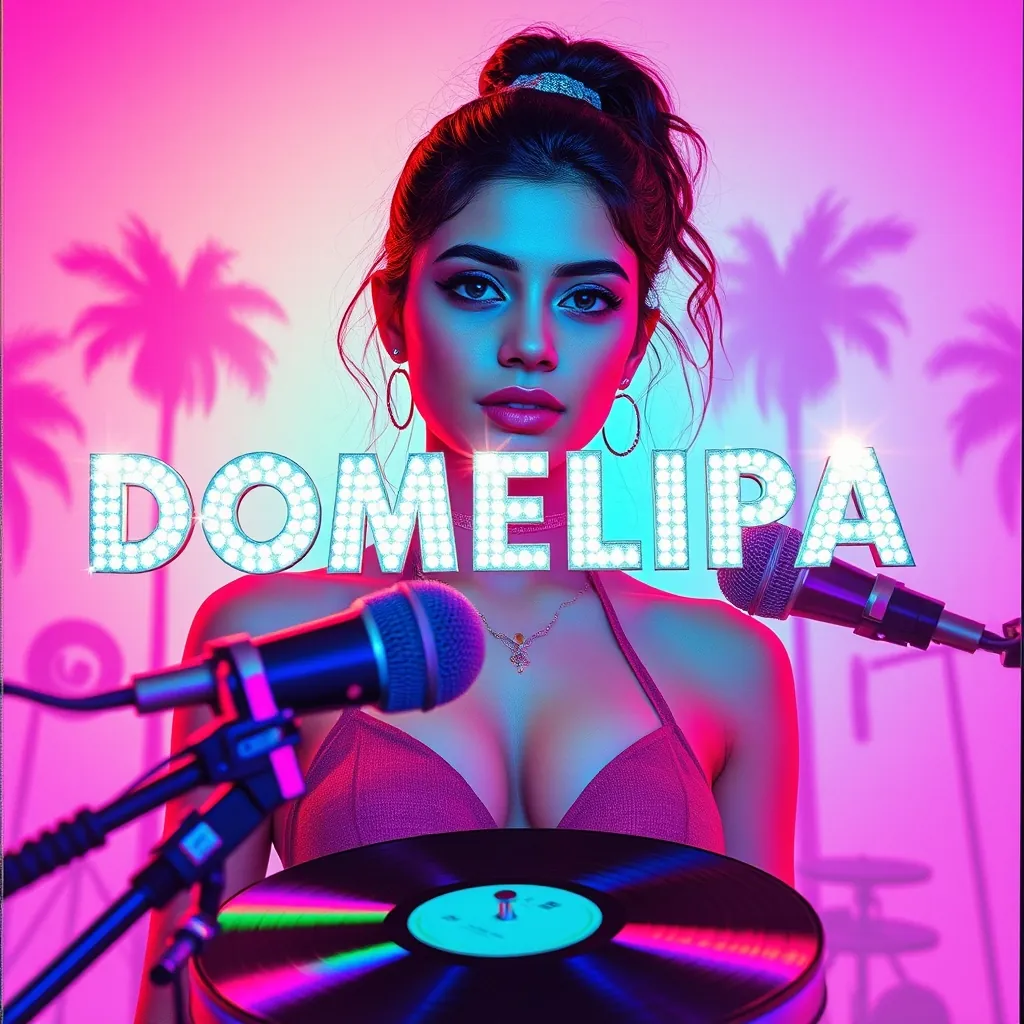
Let's set the scene. Domelipa has been one of Latin America's most dominant TikTok presences since the platform's Musical.ly days. With over 70 million followers on TikTok alone, she's not just "big for a Mexican creator"—she's one of the most followed humans on the entire app globally. For context, that puts her in the same stratosphere as Khaby Lame (Senegal/Italy) and rubbing shoulders with Charli D'Amelio numbers.
But here's where it gets interesting. Unlike the Western TikTok-to-music pipeline—which has been, let's call it "mixed results" (we're looking at you, Dixie D'Amelio's early singles)—the Latin American market has a completely different relationship with creator-led music.
When Addison Rae signed with Sony, half of Twitter (now X) was ready to call it industry plant energy. When Bella Poarch dropped "Build a Bitch," the discourse was a war zone before anyone even heard the bass drop. But in Latin America? The lines between influencer, artist, and celebrity are already blurred beyond recognition. You think Bad Bunny didn't build his early empire on social media virality? You think Peso Pluma isn't fundamentally a TikTok artist at his core?
Domelipa knows this. She's not trying to prove she's a "real artist" to skeptical Western critics who still think TikTok dances are cringe. She's doing what Latin creators do best: building a multi-platform empire where the music is just another content stream feeding the algorithm.
The Ozuna Co-Sign Changes Everything
The Ozuna collab is the power move here, and nobody should sleep on it. Ozuna isn't some SoundCloud rapper looking for clout-by-association. He's a multi-Grammy-nominated reggaeton and Latin trap superstar with billions—that's with a B—of YouTube views. He's collaborated with Cardi B, DJ Snake, Selena Gomez, ROSALÍA, and half the Latin music A-list. Having him co-sign Domelipa's music career is the industry equivalent of Drake jumping on a rising artist's track. It's instant credibility transferred via proximity.
And Sony Music Latin isn't playing small ball either. This is the label that represents some of the biggest names in Latin music globally. They see what everyone with two eyes and a FYP can see: Domelipa's 70+ million followers aren't just vanity metrics. They're a distribution network that traditional record labels would literally commit crimes to access.
Think about the economics for a second. A traditional artist rollout costs millions in marketing—radio campaigns, PR teams, Spotify playlist payola, the works. Domelipa can drop a 15-second teaser on TikTok, hit 10 million views organically, and have her army of fans streaming before the label spends a single peso on ads. That's not just efficient. That's terrifying for every mid-tier artist still doing 2000s-era promo circuits at regional radio stations.
The Latin Creator Economy's inflection Point
Now, let's be real for a second. This isn't Domelipa's first music rodeo. She's been releasing singles and teasing a music career for a while now. But the Sony deal and the Ozuna collaboration signal something structurally different: this is institutional. This is the machine getting behind her with real capital and real infrastructure.
And it's happening at a fascinating moment for the Latin creator economy. While Western creators like MrBeast are building empires on YouTube with production budgets rivaling small studios, and Kai Cenat is breaking Twitch subscription records, the Latin market has been quietly building its own gravitational center. Kimberly Loaiza has parlayed her TikTok fame into music, merchandise, and a family-brand empire. Juanpa Zurita has been crossing over between platforms and traditional media for years. Brazilian creators like Bibi Tatto have shown how to convert social fame into sustained cultural relevance.
Domelipa's Sony move is arguably bigger than all of them in one specific way: she's not just monetizing content. She's becoming the content. A song isn't a disposable post. It's IP. It streams forever. It gets licensed for movies, commercials, telenovelas, and the next thousand TikTok trends. It generates revenue while she sleeps, shoots brand deals, or posts GRWM videos.
My Take: The West Has Been Sleeping
Here's the honest truth: the Western creator economy has been sleeping on Latin American influencers for years. While everyone was dissecting Charli D'Amelio's follower trajectory or analyzing Jake Paul's latest controversy, Domelipa was quietly building a following that rivals both. And she did it in a market that's younger, more engaged, and growing faster than North America or Europe.
The Sony Music Latin deal isn't just about Domelipa's career trajectory. It's a proof of concept for the entire region. It's the moment where the global music industry acknowledges what the numbers have been screaming: Latin American creators aren't "international flavor" or "emerging markets." They're the main event. They have the audiences, the engagement, and now—they have the institutional backing.
Ozuna gets it. Sony gets it. The Latin TikTok algorithm has always known it. The only question is whether the rest of the world will catch up before Domelipa is already on her third platinum record and headlining Viña del Mar.
Watch this space. The FYP is about to get very musical, and it's going to be in Spanish.