Riyaz Aly's Forbes Moment: TikTok Royalty Gets the Corporate Crown
Remember when getting into Forbes meant you actually did something? You know, like built a Fortune 500 company or cured a disease? Yeah, those days are dead. The new American–err, Indian–Dream is lip-syncing to Bollywood tracks in your bedroom until some suit at a legacy magazine decides you're "newsworthy."
Enter Riyaz Aly, the 20-year-old from Jaigaon, West Bengal, who went from regular small-town teen to full-blown social media mogul—and now has the Forbes cosign to prove it.
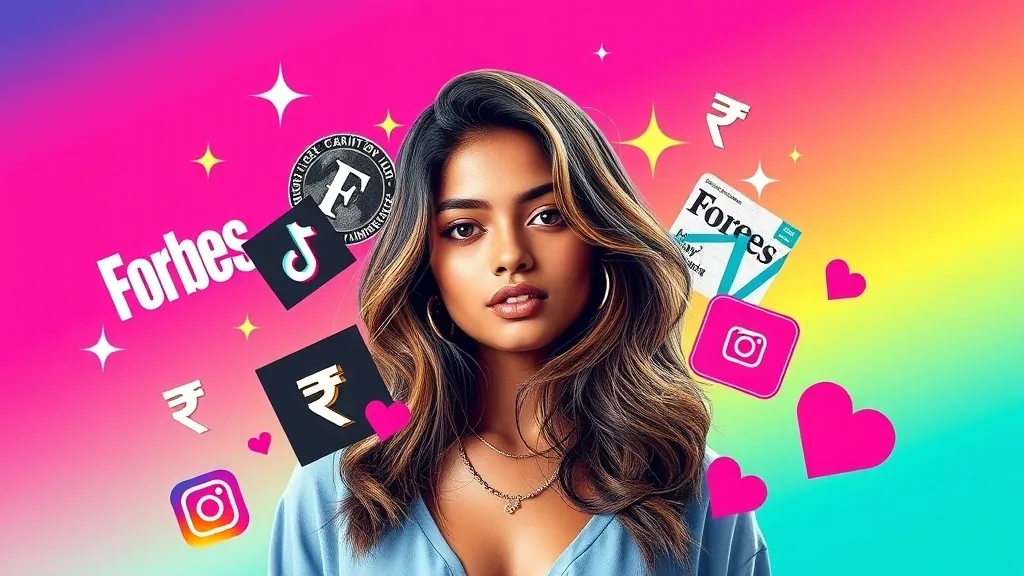
If you've been anywhere near Indian TikTok (RIP) or Instagram Reels, you know this kid. The flawless hair. The aggressive pouting. The coordinated outfits that scream "I'm richer than your entire bloodline." Riyaz didn't just ride the short-form video wave—he became the wave, alongside his whole squad of fellow Indian creator royalty: Avneet Kaur, Faisal Shaikh (Mr. Faisu), Jannat Zubair, and the rest of the Teen TikTok Mafia that somehow turned 15-second lip-sync videos into eight-figure empires.
Let's talk numbers, because that's what Forbes cares about, right? Riyaz has amassed somewhere around 45 million+ followers on TikTok before the Indian government pulled the plug in June 2020— casualties of geopolitical beef with China that nuked 200 million users overnight. But here's where it gets spicy: the TikTok ban didn't touch him. He pivoted to Instagram and YouTube like nothing happened. His Instagram? Sitting pretty at 25 million+ followers. His YouTube channel? Multiple millions of subscribers gobbling up every vlog, fashion haul, and "day in my life" video he drops.
That's not just luck. That's brand infrastructure.
The Forbes Flex: What Does It Actually Mean?
Here's where I get opinionated—and yeah, maybe a little hater-adjacent. The Forbes feature isn't really about Riyaz Aly as some transformative business genius. It's about the category. He's being recognized as part of a wave of Indian creators who've turned social media fame into legitimate business empires through brand deals, fashion lines, music videos, and strategic cross-platform migration.
And let's be real: the Indian creator economy is massive. We're talking about a country with over 80 million content creators (per influencer marketing reports), generating billions in brand deal revenue. In that ocean, Riyaz is less "small fish" and more "genetically engineered super-shark with a skincare sponsorship."
His brand deal rates? Estimates put top-tier Indian influencers like Riyaz at ₹10-15 lakh (roughly $12,000-$18,000) per sponsored Instagram post, with YouTube integrations commanding even more. Multiply that by the sheer volume of brand partnerships—fashion, tech, lifestyle, you name it—and you're looking at annual earnings that would make most corporate executives weep into their kombucha.
The Squad: Why Indian TikTok Was Different
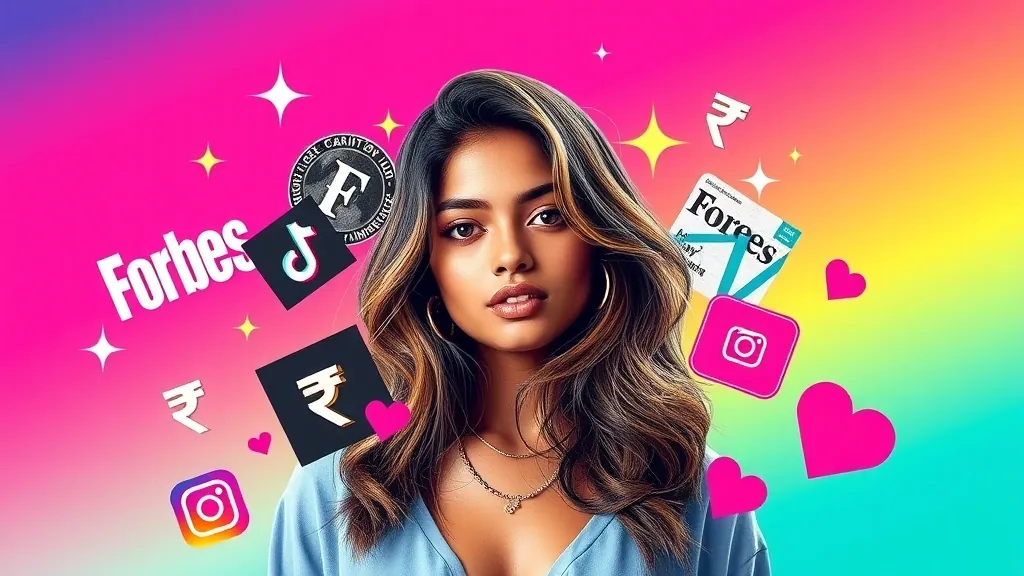
Here's what Western audiences don't get about the Indian short-form video explosion: it operated on a completely different frequency than the US/Euro creator scene. While American TikTok was doing choreography challenges and storytimes, Indian TikTok was building parallel celebrity universes where creators like Riyaz, Sameeksha Sud, Nisha Guragain, and Arishfa Khan became as famous as actual Bollywood stars—sometimes more famous.
These creators didn't just post content—they built interlocking narratives, appearing in each other's videos, fueling shipping cultures, creating drama arcs that would make telenovela writers jealous. The Riyaz-Avneet pairing alone generated enough fan edit content to crash servers. The parasocial investment was intense.
And then came the music videos. Post-TikTok ban, many of these creators pivoted to appearing in Punjabi and Hindi music videos, leveraging their social following into streaming numbers. Riyaz himself has appeared in tracks that have racked up hundreds of millions of views on YouTube. That's not just clout—that's cultural infrastructure.
The Hater's Guide: Why Purists Are Mad
Of course, the Forbes recognition has the usual suspects whining. "He just lip-syncs!" "Where's the talent?" "This isn't real entrepreneurship!"
To which I say: cry about it.
The creator economy doesn't care about your purist definitions of "talent" or "value creation." Riyaz Aly understood something that millions of aspiring influencers don't: consistency, aesthetics, and cross-platform brand management matter more than raw talent. He turned himself into a recognizable brand—the hair, the style, the vibe—and that brand travels across platforms, survives bans, and attracts advertisers.
That's not nothing. That's strategy.
The Bigger Picture: India's Creator Economy Ascendant
Riyaz's Forbes moment is really a milestone for the entire Indian creator ecosystem. While Western media obsesses over MrBeast and Charli D'Amelio, India has been quietly building a creator economy that rivals anything in the West—with over 500 million smartphone users as the foundation, aggressive investment from platforms like YouTube (which launched YouTube Shorts specifically to capture the post-TikTok Indian market), and a cultural appetite for content that's insatiable.
Companies like Glow & Lovely (now rebranded, for obvious reasons), BoAt, Myntra, and countless others have poured hundreds of crores into influencer marketing in India, with creators like Riyaz commanding premium rates. The ecosystem now includes talent agencies, creator academies, and even creator-focused fintech platforms managing taxes and payments.
What's Next for Riyaz?
The Forbes feature is a validation, but it's also a trap. Once you're on the list, the expectation shifts from "influencer" to "businessperson." Can Riyaz parlay this into something more durable? Acting? A fashion empire? A media company? Or will he stay in the content grind, fighting algorithmic churn until the next fresh-faced teen dethrones him?
History suggests the smart move is diversification—look at how Priyanka Chopra leveraged fame into production, or how Bhuvan Bam (BB Ki Vines) turned YouTube stardom into music and acting careers. Riyaz has the audience. He has the brand recognition. The question is whether he has the ambition to evolve beyond "Instagram famous" into something Forbes will still care about in five years.
The Takeaway
Love him or hate him, Riyaz Aly's Forbes recognition is a sign of the times. The creator economy isn't some fringe sideshow anymore—it's mainstream capitalism with better lighting. And India, with its massive smartphone-wielding population and insatiable appetite for content, is producing creators who rival—and sometimes surpass—their Western counterparts in reach, revenue, and cultural impact.
So congratulations, Riyaz. You've got the Forbes badge. Now keep it.
The clock's ticking. ⏰