Jaylen Brown Wants Smoke With IShowSpeed for $100K
The crossover event nobody asked for but everybody's about to watch: Boston Celtics champion Jaylen Brown just slid into the internet's collective mentions with a $100,000 race challenge aimed squarely at YouTube's most chaotic speed demon, IShowSpeed. And honestly? This might be the most entertaining beef since Adin Ross thought he could box.
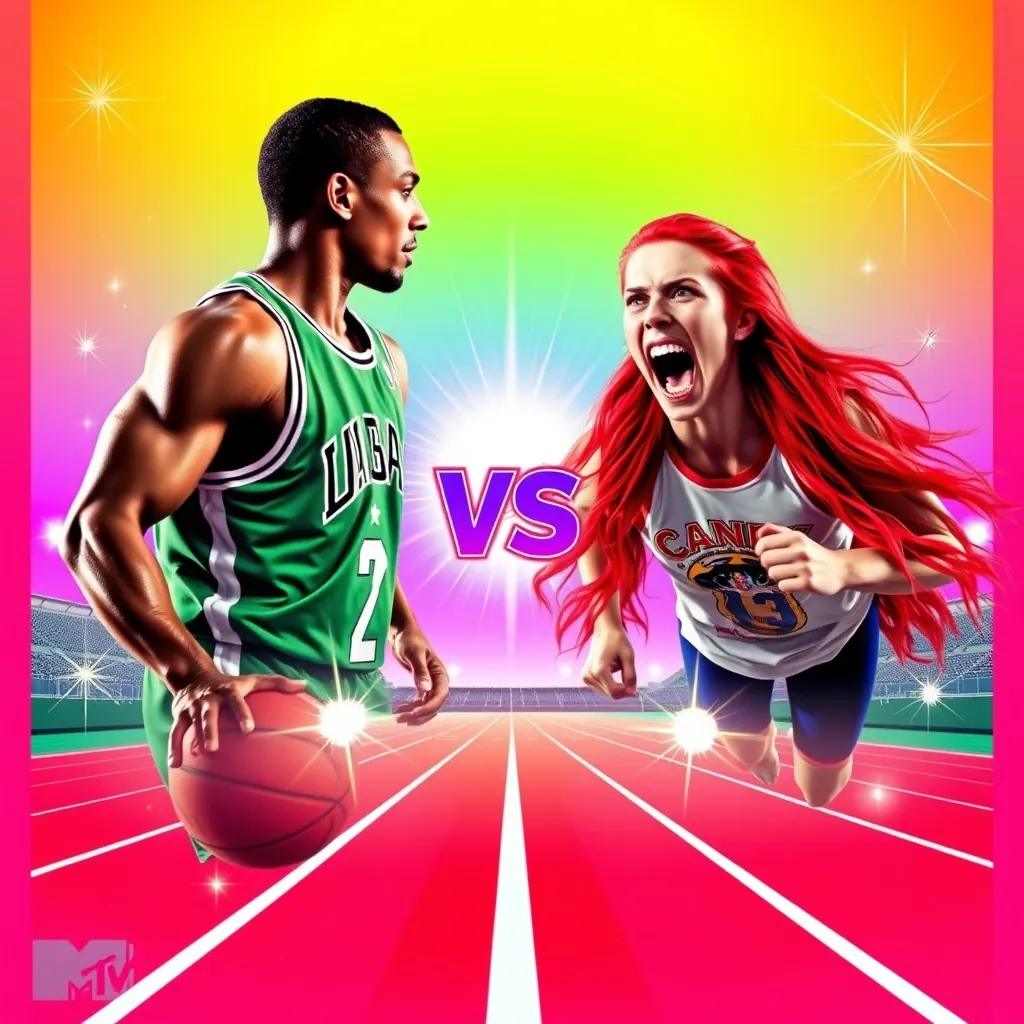
Here's the setup. Brown, fresh off reportedly nearly beating Olympic 100m gold medalist Noah Lyles in some kind of footrace situation that the internet has decided is a legitimate athletic benchmark, decided his next victim should be Darren Watkins Jr. — the 19-year-old streamer who has built a $20M+ empire by being loud, fast, and surgically allergic to sitting still on camera. Speed, who boasts over 30 million YouTube subscribers and routinely pulls 200,000+ concurrent viewers on streams where he does literally anything, now has a six-figure target on his back from a 6'6" NBA Finals MVP who runs like a gazelle that watched too much Prime hydration content.
Let's be real about what's happening here. This isn't really about racing. This is about Jaylen Brown understanding something that half of traditional sports media still doesn't: in 2024, you don't just go on ESPN to build your brand. You go where the eyeballs are, and the eyeballs are watching a teenager from Cincinnati scream at FIFA packs in 4K. Brown clocking Speed as his next content collaborator is genuinely savvy — this is the same instinct that sent Neymar into Kai Cenat's stream, that made Cristiano Ronaldo Jr. race Speed for content, that has every Premier League club desperate for TikTok relevance.
The creator economy has spent the last five years teaching us that attention is the only currency that actually compounds. Brown, who signed a five-year, $304 million supermax extension with the Celtics, doesn't need the $100K. What he needs is the 50 million views that a Speed collab generates by osmosis. That's worth more than a mid-tier brand deal with a regional car dealership, which is what NBA players were getting for appearances five years ago.
Now, can Speed actually win this? Let's be honest — probably not. Brown is a professional athlete whose entire job involves explosive lateral movement and cardiovascular conditioning that would make most mortals weep. Speed, for all his manic energy and genuinely impressive athleticism for a content creator, is still a content creator. He's fast in the way that your friend who does CrossFit four times a week is fast — which is to say, fast enough to embarrass you at the company picnic, not fast enough to hang with someone who guarded Luka Doncic in the NBA Finals.
But here's the thing: it doesn't matter. Speed's entire brand is the spectacle of attempted greatness. He didn't race Noah Lyles because he thought he'd win. He didn't kick a football with Alvaro Morata because he expected to go pro. The race IS the product. The 17-second clip of Speed's face turning purple as Brown pulls away by three body lengths WILL get 80 million views on Shorts. The live stream of the event will break concurrent viewer records. The merch drop afterwards — mark my words, there will be a merch drop — will sell out in eleven minutes.
This is the new playbook, and it's being written in real-time. The old model was: athlete does sport, gets famous, does endorsement, collects check. The new model is: athlete does sport, gets famous, realizes traditional fame is a depreciating asset, and pivots to the creator economy where engagement metrics determine your cultural half-life. We've seen this with the Paul brothers boxing empire, with LeBron's SpringHill Company, with Lionel Messi's wife posting TikToks from the World Cup. Jaylen Brown is just the latest to recognize that 30 million YouTube subscribers is a bigger cultural footprint than an All-Star selection.
The question now is whether Speed actually takes the bet. He should, obviously — the content value alone justifies whatever happens on the track. But Speed has also been notoriously selective about his collabs lately, moving with the kind of strategic caution that suggests his team (and yes, he has a team now, this isn't one kid and a webcam anymore) understands that scarcity drives demand. Every stream Speed doesn't do makes the next one more valuable. Every challenge he declines makes the ones he accepts feel like events.
My prediction? This happens within 60 days. Probably on Speed's channel, probably with some kind of charitable component to soften the gambling optics, probably with a live audience of screaming teenagers who weren't alive when the Celtics last won a championship before 2024. Jaylen Brown will win the race by a comfortable margin. Speed will turn the loss into three viral clips and a 15-minute video titled something like "I RACED AN NBA CHAMPION AND ALMOST DIED." Everyone will make money. The algorithm will eat well.
And somewhere, Noah Lyles will watch the whole thing unfold and wonder why the fastest man alive is suddenly the third-most-interesting person in a conversation about running fast.
Welcome to 2024, where the content is the sport and the sport is the content and nobody can tell the difference anymore.