Khaby Lame in 007 First Light: TikTok's Silent King Conquers Gaming
Hold up, let me get this straight—the same guy whose entire brand is wordlessly mocking stupid life hacks with a resigned hand gesture is now rubbing shoulders with James Bond? Khaby Lame, Senegal-born, Italy-based, TikTok's undisputed follower king at 162.8 million and counting, has officially leveled up from short-form video dominance to bona fide video game character status in 007 First Light. And honestly? We should've seen it coming.
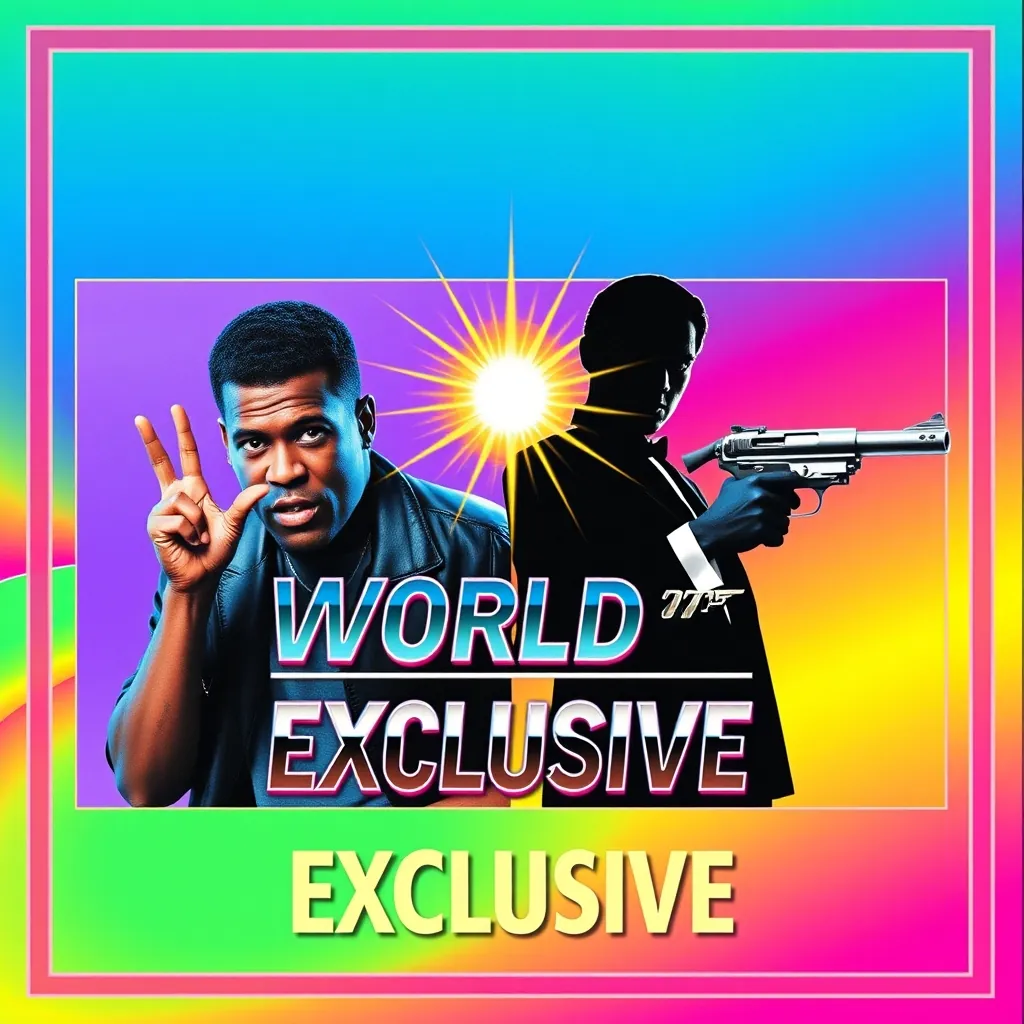
Let's contextualize this moment because it's bigger than it sounds. The creator economy has been inching toward this crossover for years. We've watched YouTubers become box-office draws (looking at you, Logan Paul, you glorious disaster), TikTokers launch billion-dollar brands (Charli D'Amelio's Dunkin' deal was just the appetizer), and streamers command audiences that make traditional TV executives weep into their ratings reports. But Khaby in a James Bond game? That's a new tier entirely.
Here's the breakdown: 007 First Light is the latest attempt to revitalize the Bond gaming franchise, and somewhere in a boardroom, some genius executive apparently said, "What if we got that silent TikTok guy with the face that says 'are you serious right now?'" And you know what? That executive deserves a raise.
Khaby's appeal has always been universal precisely because it's language-independent. His comedy transcends borders—Senegal, Italy, the US, India (where creators like Riyaz Aly, Avneet Kaur, and Faisal Shaikh have built empires), Brazil (shoutout to Whindersson Nunes and Bibi Tatto), the entire Arab world, and across Asia. He doesn't need words. He just needs that face. That beautiful, exasperated, "why would you do it that way" face. In gaming, where global markets make or break AAA titles, Khaby isn't just a cameo—he's a localization strategy wrapped in a human being.
The numbers don't lie. Since becoming TikTok's most-followed creator in June 2022 (dethroning Charli D'Amelio), Khaby has parlayed his silent brand into deals with Hugo Boss, Brawl Stars, and various undisclosed partnerships reportedly worth seven figures combined. His YouTube shorts rack up hundreds of millions of views. His Instagram sits at 82 million+. The man is a content conglomerate who barely speaks in his content.
But here's where it gets spicy: this move signals something we've been tracking at ViralMVP for a while—the complete erosion of the boundary between "internet famous" and "actually famous." Remember when getting verified on Twitter meant something? Now it's a subscription service. Remember when appearing in a video game was reserved for Hollywood A-listers and fictional characters? Those days are deader than Vine.
Consider the trajectory. We've seen IShowSpeed become a global sports ambassador while screaming at FIFA gameplay. We've watched Kai Cenat's streaming empire grow so massive that he can fill Madison Square Garden. Dong Yuhui (董宇辉) turned East Buy (东方甄选) into a cultural phenomenon in China by blending literature with livestream commerce. Li Jiaqi (李佳琦, the 'Lipstick King') moved billions in sales with his Taobao streams before his infamous pricing scandal. The creator economy isn't just making noise anymore—it's orchestrating the entire symphony.
And gaming has been particularly hungry for this energy. Traditional game marketing is dying. Gamers don't trust trailers—look at the Cyberpunk 2077 disaster. They trust their favorite streamers. When xQc plays something, his 11.8 million Twitch followers (now migrated to Kick in a reported $100M deal) pay attention. When PewDiePie covered indie games, developers' lives changed overnight. So when the 007 First Light team needed organic reach across every demographic, every region, every platform... they didn't hire another Hollywood face. They hired the guy who communicates in pure, distilled internet energy.
Is it a gimmick? Partially. Will Khaby's involvement meaningfully impact gameplay? Probably not—this is likely a cosmetic appearance or a promotional role. But that misses the point entirely. The point is that a kid from Chivasso, Italy, who lost his factory job during the pandemic and started making videos in his bedroom, is now immortalized in one of entertainment's most storied franchises. If that doesn't epitomize the creator economy's promise, nothing does.
The deeper play here is about audience transfer. Bond skews older. TikTok skews younger. By embedding a creator who's worshipped by Gen Z and Gen Alpha into a property that's been targeting their parents (and grandparents—Sean Connery's era wasn't yesterday), the franchise is essentially downloading a new demographic. It's the same logic behind MrBeast's cameo in various projects, or why brands throw six-figure sponsorships at creators whose audiences they can't reach through traditional channels.
Let's not pretend this is purely wholesome though. The creator-economy industrial complex has its dark corners. We cover them regularly—demonetization nightmares, algorithmic arbitrary punishment, the Twitch-Kick wars that feel like watching two exes fight at a wedding, the entire mess of fake engagement and bought followers that still plagues the industry. And yes, the concern that traditional media is simply mining creators for audience access without respecting their craft is valid.
But Khaby's different, and here's why: his craft IS the simplification. He strips away pretense. There's something almost poetic about the most minimalist creator on the internet being the one who breaks through into legacy media properties. He didn't need elaborate productions, scripted dramas, or controversial hot takes. He just needed a smartphone, good comic timing, and the willingness to look mildly disappointed on camera.
007 First Light doesn't have a firm release date yet, and details about Khaby's exact role remain under wraps. But expect the promotional machine to go into overdrive when it drops. Expect TikTok to flood with Bond-themed Khaby reactions. Expect YouTube explainers. Expect takes hotter than the Sahara on whether this is a stroke of genius or a desperate grab for relevance by a franchise that's been struggling since Daniel Craig hung up his tuxedo.
Our take? It's both, and that's fine. The creator economy thrives on this tension between art and commerce, authenticity and brand deals, internet culture and legacy media. Khaby Lame sitting at that intersection—silently, of course, as always—isn't just a headline. It's a thesis statement about where entertainment is headed.
The future belongs to creators. The future speaks every language and no language. The future is a 24-year-old from Senegal who made the whole world laugh without saying a word, and now he's in James Bond. If that doesn't make you want to aggressively simplify your own content strategy, you're not paying attention.
Stay tuned. We'll have more on this as it develops. In the meantime, keep creating, keep hustling, and for the love of everything, stop making life hacks that require three power tools and a degree in engineering. Khaby is watching. And now, apparently, so is MI6.