Logan Paul's Pokemon Addiction Is the Most On-Brand Thing Ever
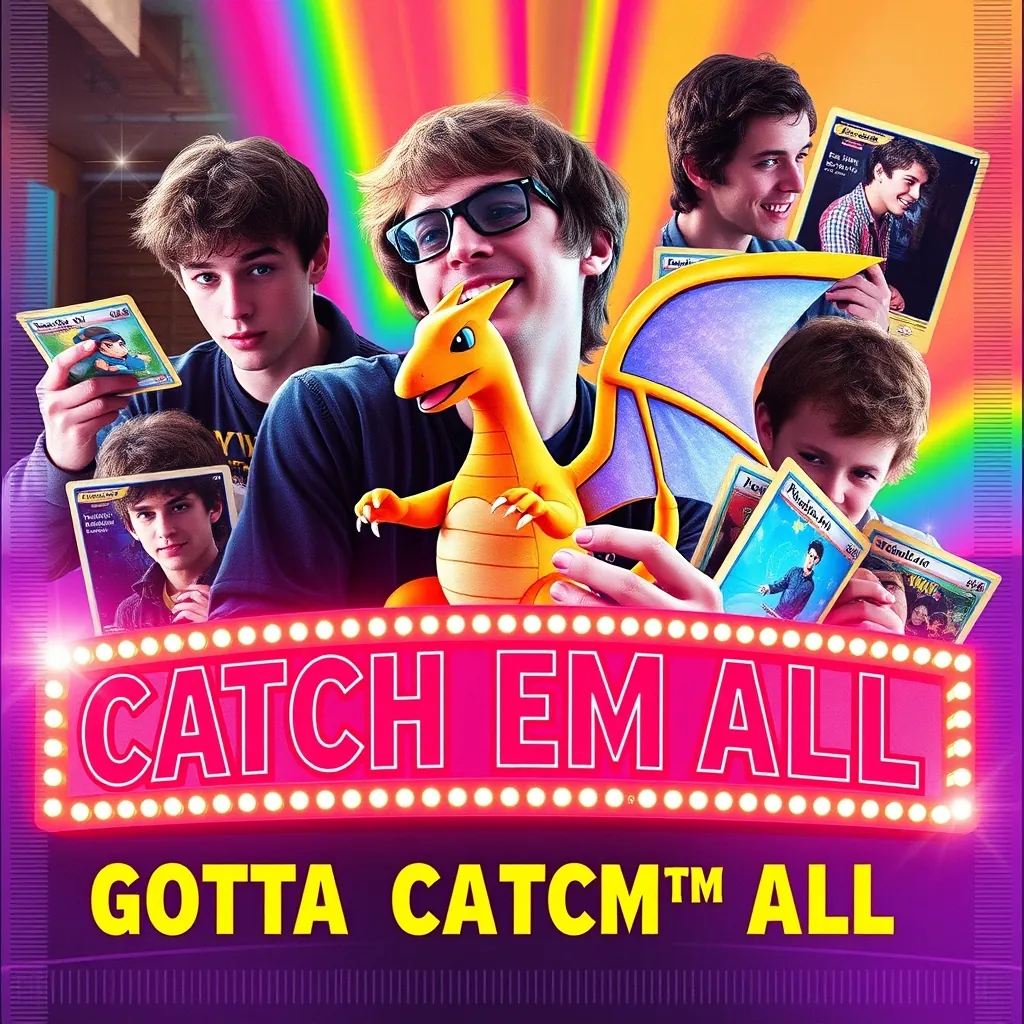
At 31 years old, Logan Paul has finally admitted what the rest of us have known for years: he has a Pokemon problem. Not a problem with the franchise—lord knows that cat left the bag when he dropped $3.5 million on allegedly fake booster packs—but a problem with stopping. In a recent Yahoo interview that somehow qualifies as "news" in 2024, the WWE superstar and Prime Hydration co-founder copped to his compulsive card-collecting habit, and honestly? It's the most relatable thing he's ever said.
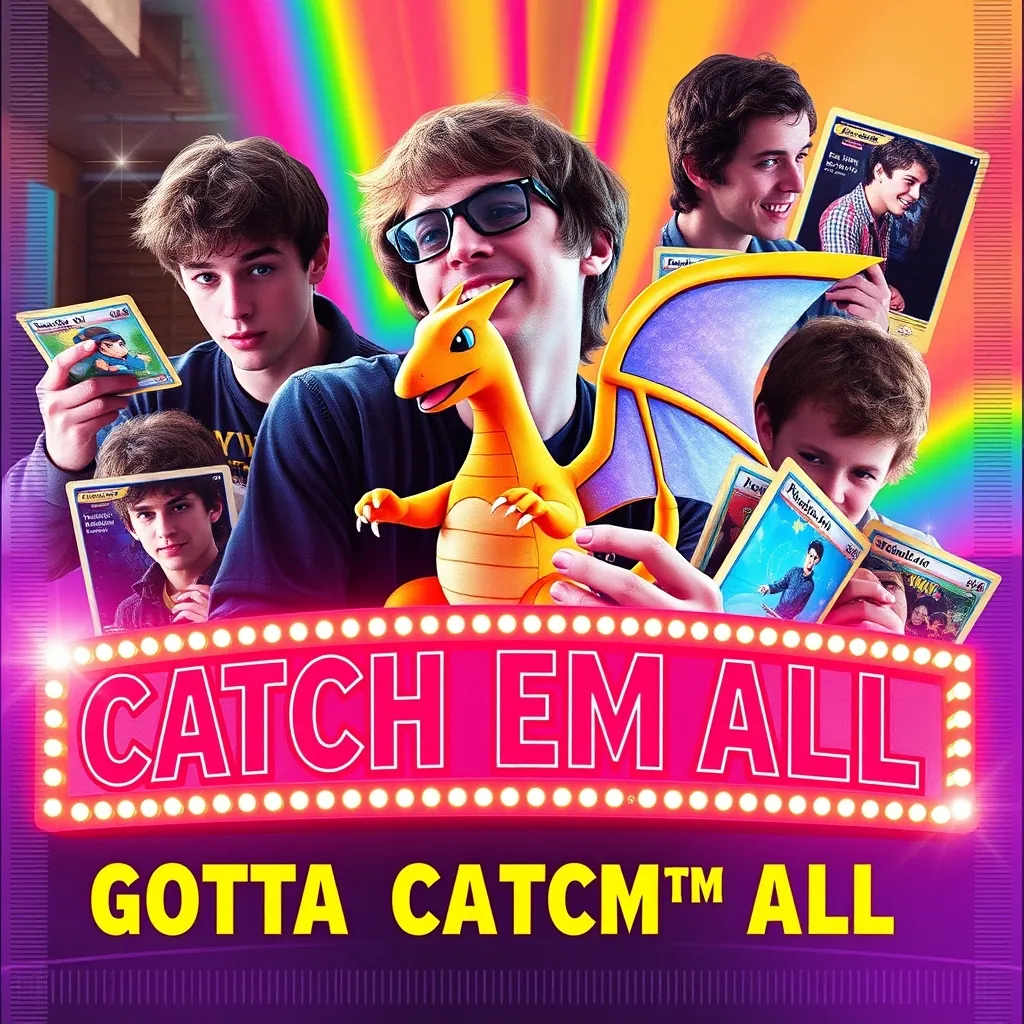
Let's rewind. Logan Paul—boasting 23.6 million YouTube subscribers, a WrestleMania-worthy wrestling career, and a hydration empire with KSI that's somehow worth nine figures—has been chasing that Charizard high since 2020. The man opened a Pokemon card on stream, pulled a first-edition Charizard, and experienced a dopamine hit that apparently rewired his entire brain chemistry. Since then, he's turned what started as nostalgia content into a full-blown lifestyle brand, complete with high-profile unboxings, six-figure purchases, and that legendary $3.5 million acquisition that turned out to be about as authentic as his 2017 apology videos.
Remember the fake Pokemon card scandal of 2022? Paul purchased a sealed first-edition booster box for $3.5 million, only to have it exposed as G.I. Joe cards repackaged in Pokemon wrappers. The internet had a field day. Critics called it karma for a creator who'd built his empire on controversy. But here's the thing about Logan Paul that separates him from every other clout-chasing personality in the creator economy: he doesn't quit. He leans in. He admitted the fraud, pivoted to wrestling, launched Prime with KSI (the Sidemen founder whose real name is Olajide Olayinka Williams "JJ" Olatunji), and somehow became more famous than ever. The Pokemon obsession didn't derail him—it humanized him.
And that's the real story here. In an era where creators like MrBeast (Jimmy Donaldson, 240+ million subscribers) optimize every second of content for algorithmic perfection, and xQc (Felix Lengyel) streams 14 hours daily on Kick while burning through gambling sponsorships, Logan Paul's Pokemon admission feels almost quaint. Here's a guy who could be doing anything—producing Netflix documentaries, running his empire, training for wrestling matches—and instead he's getting emotionally attached to cardboard rectangles featuring fictional Japanese monsters. Same, brother. Same.
The creator economy has always had a strange relationship with niche hobbies. Dong Yuhui (董宇辉) of East Buy (东方甄选) built his following by selling groceries while quoting classical Chinese poetry. Li Jiaqi (李佳琦), the Lipstick King, moved 15,000 lipsticks in five minutes on Taobao Live. Xiao Yang Ge (疯狂小杨哥) turned chaotic comedy into a Douyin empire worth billions. Each of these creators found their niche and rode it until the wheels fell off. Logan Paul just happened to choose a niche that involved spending the GDP of a small island nation on children's trading cards.
But there's something deeper happening here, and it's about parasocial relationships in the creator economy. When Paul admits to having a "Pokemon problem," he's not just confessing to a hobby—he's building connection. It's the same reason IShowSpeed (Darren Watkins Jr.) screams at every virtual goal, or why Kai Cenat's 72-hour streams feel like hanging out with that one friend who never sleeps. Authenticity—or at least the performance of it—sells. And right now, Pokemon is Logan Paul's authenticity drug of choice.
The numbers back this up. Pokemon card content consistently generates millions of views across YouTube and TikTok. The trading card market exploded during the pandemic, with Logan Paul and fellow creator Leon Hart (2.2 million subscribers) leading the charge. Paul's unboxing videos routinely pull 10-20 million views, rivaling his boxing content and wrestling appearances. There's an entire sub-economy of grading services, authentication companies, and secondary marketplaces that exist because creators like Paul decided cardboard was cool again.
Meanwhile, the international creator landscape watches and learns. On Douyin and Kuaishou, Chinese collectors stream unboxings of everything from Pop Mart blind boxes to luxury goods. Japanese TikTokers like Junya Legend and Bayashi have shown that niche passion—whether it's absurdist humor or ASMR cooking—can translate into global followings. The formula is universal: find something you love, broadcast it obsessively, and hope the algorithm agrees with your dopamine receptors.
Logan Paul's admission also highlights an uncomfortable truth about the creator economy's maturation. At 31, he's part of the "old guard" now. The Paul brothers—Logan and Jake—alongside PewDiePie (Felix Kjellberg, 111 million subscribers) and KSI, built the foundation of modern influencer culture. They've transitioned from Vine stars to YouTube titans to multimedia moguls, accumulating wealth and influence that would make traditional celebrities weep. But they're also aging out of their original demographics. When Logan Paul says he has a Pokemon problem, it's partly a pivot toward millennial nostalgia—a way to stay relevant as Gen Alpha discovers creators we've never heard of.
So yes, Logan Paul has a Pokemon problem. But in a world where MrBeast gives away private islands, KSI drops diss tracks between business meetings, and fake Trump impersonators dominate Kuaishou livestreams, maybe a grown man obsessing over pocket monsters is exactly the kind of normal we need. Welcome to 2024, where the line between content and compulsion doesn't exist, and the only thing more addictive than Pokemon cards is the attention economy itself.