Rubin's White Party: Where Influencer Clout Goes to Prove Itself
Every Fourth of July weekend, Michael Rubin — Fanatics CEO, billionaire, and professional collector of famous humans — throws his now-legendary White Party in the Hamptons. And every year, the guest list reads like an algorithm fever dream: A-list actors, NFL quarterbacks, rappers, and — increasingly — the people who actually move culture in 2024. You know, the ones with the ring lights.
This year's pre-Fourth bash was no different. The white dress code. The branded merch tent. The内容 that'll feed content houses for weeks. But beneath the Hamptons haze and Voss water, something more interesting is happening: Michael Rubin's party has become the ultimate creator-economy status check. If you're invited, you've made it. If you're not? Keep grinding, bestie.
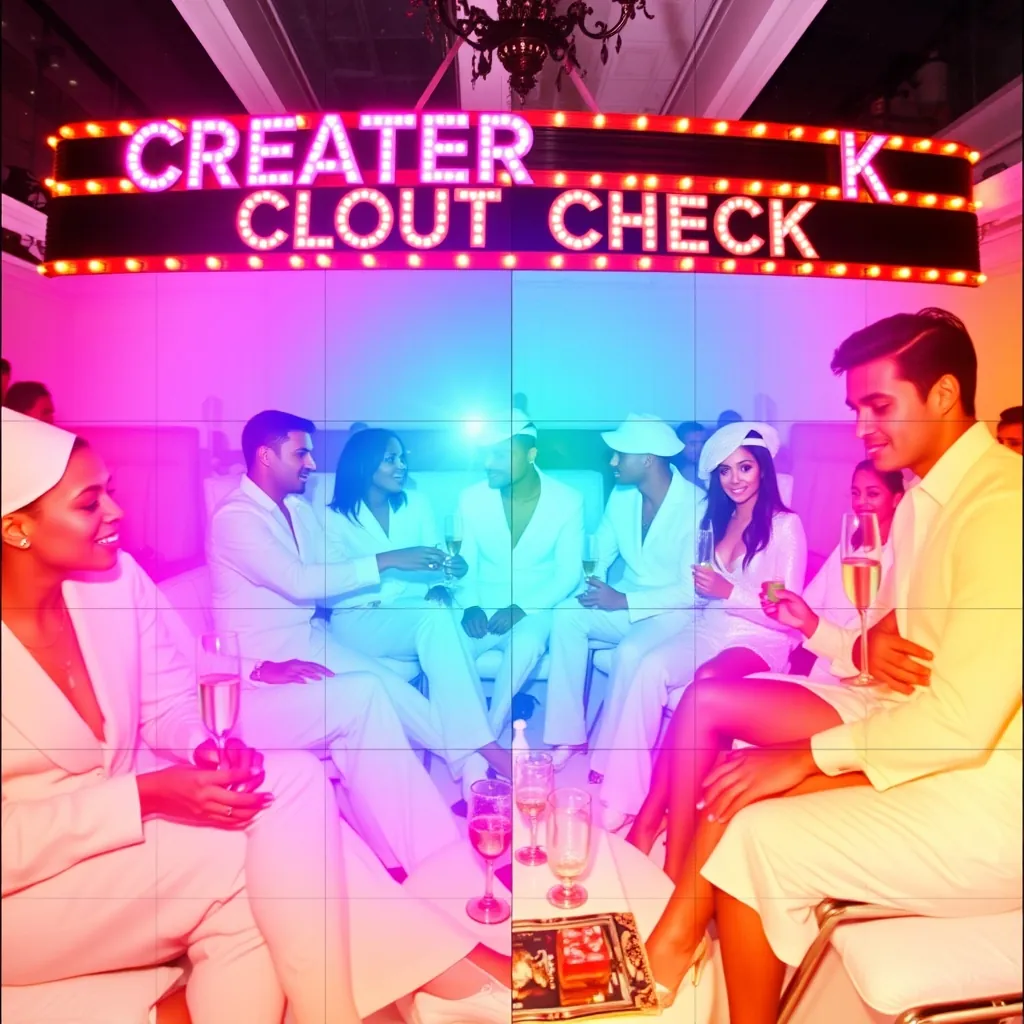
Let's be clear about what Rubin's White Party actually is: it's not a party. It's a live-action follower-count leaderboard with catering. The guest list is effectively a Venn diagram of "people who can greenlight a nine-figure brand deal" and "people whose TikTok drafts could crash a server." And that overlap? Growing every single year.
Consider the trajectory. Five years ago, this was a athletes-and-rappers affair — Jay-Z, LeBron, Drake, the usual suspects. Then the Paul brothers started showing up. Logan Paul, fresh off his WWE reinvention and Prime Hydration empire (a brand that reportedly pulled over $1.2 billion in sales in 2023), has become a White Party fixture. His presence isn't a novelty anymore — it's a business station. You think Prime sponsors weren't watching which NFL owners he shook hands with?
Then came the TikTok wave. Charli D'Amelio and Dixie D'Amelio — who collectively command over 200 million followers and have built ventures ranging from clothing lines to reality shows — represent the new aristocracy. When they show up in white at Rubin's, it's not because they're trying to break into Hollywood. It's because Hollywood is trying to break into their world.
The international creator economy was represented too, if you knew where to look. The party has become a pilgrimage spot for anyone trying to crack the American market — the same way Douyin and Kuaishou stars study American creator monetization models, those platforms' breakout names understand that a single Hamptons photo op can shift their global Q-score. Li Jiaqi (李佳琦), the Lipstick King who once sold $1.9 billion in goods in a single 11-hour livestream on Taobao Live, operates in a completely different ecosystem — but the currency of "access" translates. Same with Dong Yuhui (董宇辉), whose East Buy (东方甄选) literary-livestreaming style turned him into China's most unlikely retail powerhouse. Their worlds may be platform-separated, but the networking logic? Identical.
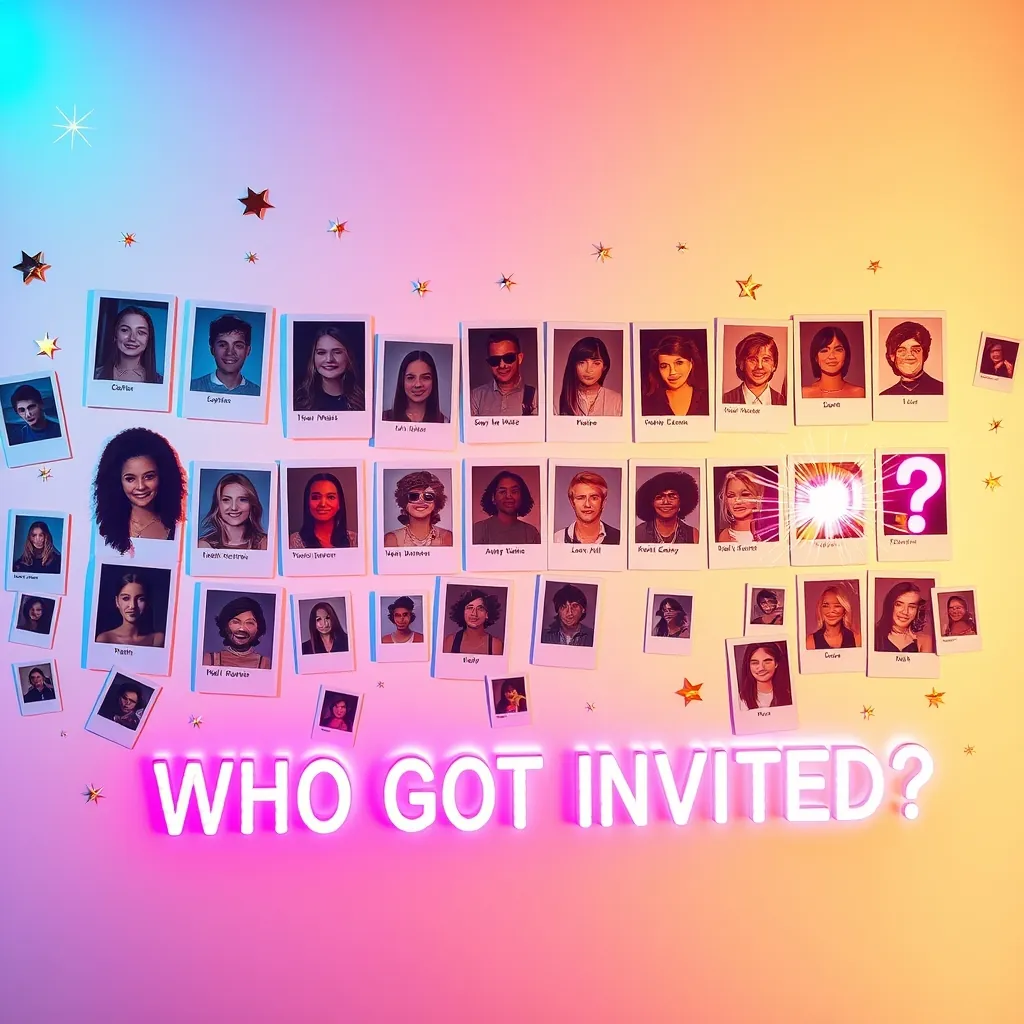
Here's what nobody at the party will say out loud: the real action isn't on the dance floor. It's in the corners. The quiet conversations between a creator with 30 million YouTube subs and a brand executive who controls eight figures of annual sponsorship budget. The "casual" introductions facilitated by Rubin himself, who understands that Fanatics' future depends on cultural relevance — and cultural relevance in 2024 means creator partnerships, not just athlete endorsements.
The numbers tell the story. MrBeast — who wasn't confirmed at this specific party but whose presence at such events has become expected — reportedly charges $2.5-3 million for a single brand integration. Kai Cenat, who broke Twitch subscription records with his Mafiathon 2 stream (over 300,000 active subs), has seen his appearance fees skyrocket into the six-figure range. When these creators walk into Rubin's party, they're not starstruck by the celebrities. They're calculating their own leverage.
And that's the shift worth paying attention to. Five years ago, an influencer at a celebrity party was a novelty act — someone brought in for content, positioned near the back, tolerated because they might generate a viral moment. In 2024? The influencers ARE the main event. Brands aren't asking "which celebrities were there?" They're asking "which creators got the most photo-tag placements?" The answers determine where marketing budgets flow for the next 12 months.
The parasocial drama writes itself, too. Every White Party generates thousands of social posts, each one a tiny exercise in flex economics. Who tagged whom? Who was cropped out? Whose outfit cost more than a down payment? For creators whose entire brand is aspirational lifestyle content — think the endless "day in my life" TikTokers, the luxury-travel YouTubers, the "soft girl era" Instagram influencers — being at Rubin's party is content gold that fuels weeks of posts. It's the ultimate "I made it" visual proof, and their audiences eat it up.
The international angle is fascinating here too. While American creators use the White Party for brand-deal leverage, international creators face a different calculus. For Korean K-pop idols whose agencies carefully curate their personal brand appearances, a Rubin party invite signals crossover appeal. For Latin American TikTok stars like Kimberly Loaiza (80M+ YouTube subscribers) or Domelipa (70M+ TikTok followers), it represents entry into the Anglophone celebrity market that can unlock global sponsorship tiers. The party isn't just American celebrity culture — it's a global creator economy summit disguised as a July 4th celebration.
Rubin, for his part, understands exactly what he's built. The White Party isn't philanthropy — it's cultural infrastructure. By bringing together athletes, musicians, actors, and creators under one very white roof, he positions Fanatics at the center of the entire attention economy. Every creator who attends becomes a potential partner. Every celebrity who poses with an influencer validates that influencer's brand value. It's genius, really — and it's why the guest list gets more creator-heavy every year.
So yes, the photos will be pretty. The fits will be white. The content will be everywhere. But understand what you're actually looking at: not a party, but a live-action demonstration of where cultural power lives in 2024. Spoiler: it's not in Hollywood anymore. It's in the hands of the kids who figured out the algorithm — and they're wearing white to prove it.