MrBeast's Leadership Gospel Exposes Creator Economy's Open Secret
Jimmy Donaldson—aka MrBeast, the 240-million-sub YouTube colossus—dropped a quote that's making the rounds faster than one of his thumbnail faces goes viral. Speaking to Hindustan Times, he said: 'The number one job as a leader is just to make sure your great people are working with other great people.'
Stop scrolling for a second. Read that again. Because buried in that Silicon Valley-ass platitude is the blueprint for why some creators build empires and others flame out faster than a TikTok trend cycle.
Let's be brutally honest here. The creator economy loves selling you the myth of the solo genius—the bedroom streamer, the garage editor, the "self-made" influencer grinding alone at 3 AM. That's cute. That's also complete bullshit once you pass about a million followers.
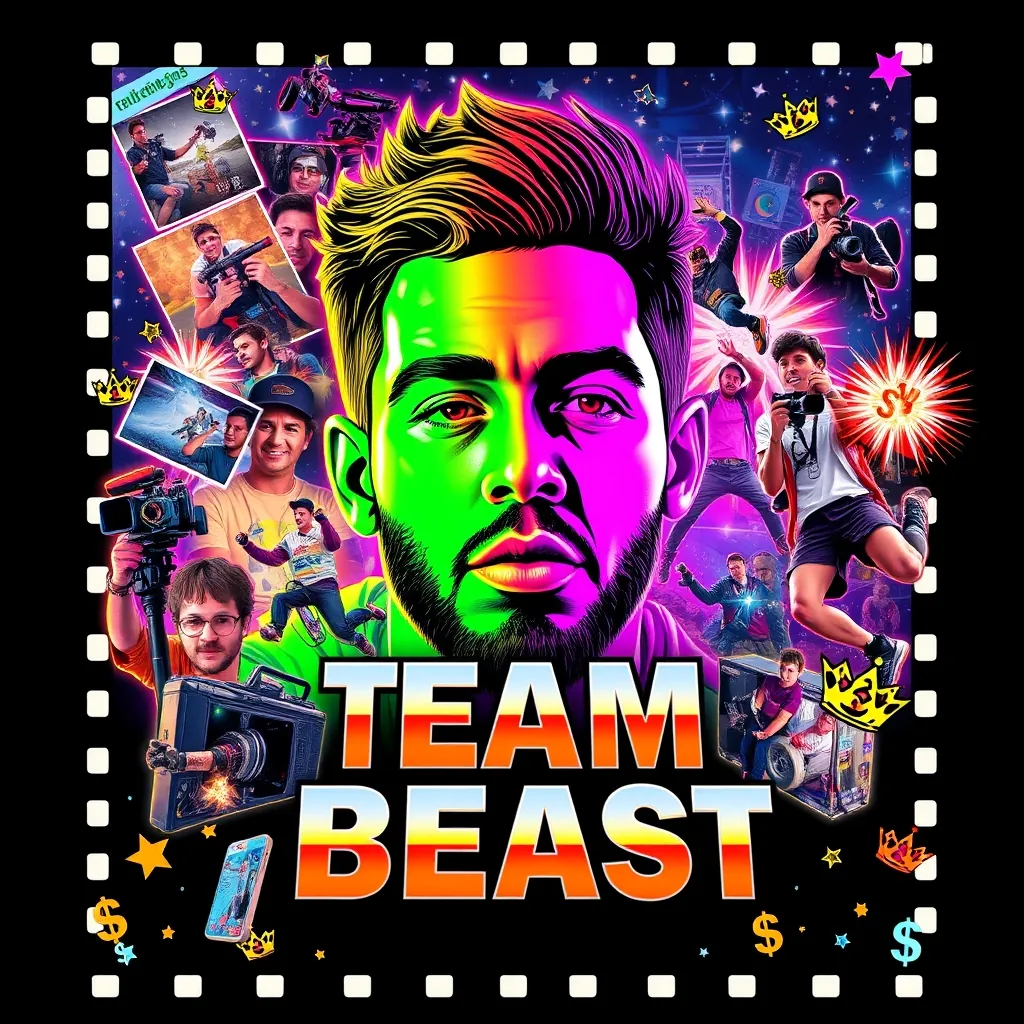
MrBeast didn't hit 240 million YouTube subscribers by himself. He runs an operation that reportedly employs over 250 people across his content, philanthropy, and business ventures (Feastables, Beast Burger, the forthcoming Beast Games on Amazon). His Greenville, North Carolina studio complex operates less like a YouTuber's den and more like a miniature Paramount lot. His annual content budget allegedly exceeds $100 million. You don't coordinate that scale by micromanaging every script, edit decision, and brand deal yourself.
The quote is essentially Leadership 101—hire A-players, surround them with other A-players, get out of the way. But hearing it from the guy who turned giving away private islands into a sustainable business model hits different. It's also a subtle flex directed at every creator who's ever imploded because they couldn't delegate.
Look at the cautionary tales scattered across platforms like evidence at a crime scene. On Twitch, we've watched countless streamers burn out trying to be their own manager, agent, merch designer, and brand negotiator while maintaining eight-hour daily streams. xQc (Félix Lengyel)—who recently jumped to Kick in a deal reportedly worth up to $100 million over two years—still operates with a skeleton crew despite being one of the most-watched streamers on earth. His chaotic, sleep-deprived persona works for content, but it's not exactly a scalable leadership model.
Meanwhile, over on Douyin, the Chinese creator ecosystem has been running laps around the West on this exact principle for years. Dong Yuhui (董宇辉) didn't build East Buy (东方甄选) into a multibillion-dollar livestream commerce empire by flying solo—New Oriental's entire corporate infrastructure backed his transformation from English teacher to cultural phenomenon. When Dong's poetic sales pitches went mega-viral, the company scaled around him instantly because the team infrastructure already existed.
Then there's Li Jiaqi (李佳琦), the 'Lipstick King' who once sold 15,000 lipsticks in five minutes. His operation behind the scenes? Reportedly over 300 staff handling supply chain, quality control, and audience analytics. Xiao Yang Ge (疯狂小杨哥), the comedy king of Kuaishou, runs a MCN (Multi-Channel Network) empire with dozens of affiliated creators.
The pattern is undeniable: solo creators hit ceilings. Team builders break ceilings.
Back in the Western sphere, look at the Sidemen—KSI (Olajide Olatunji) and his crew didn't just build individual brands; they constructed a collective media machine spanning YouTube, boxing, Sides restaurant chain, XIX Vodka, and more. Their group dynamic isn't accidental—it's engineered. Each member handles different verticals while sharing audience crossover. That's MrBeast's quote in practice without him ever saying it.
Contrast that with creators who treat their teams like disposable props. The drama's practically a subgenre at this point: YouTubers exposed for underpaying editors, Twitch streamers ghosting their mod teams, TikTok house residents leaking horror stories about 16-hour content quotas with no revenue share. The FaZe Clan saga—where the org went public, fumbled spectacularly, and saw its valuation crater from nearly $1 billion to pennies—is what happens when the "great people" part of the equation gets replaced with hype and hopium.
Even the K-pop idol machine, while not strictly "creator economy," operates on this exact logic. BTS's Jungkook doesn't drop solo bangers without a battalion of producers, choreographers, visual directors, and marketing strategists. NewJeans didn't accidentally become the face of global fashion campaigns—HYBE's infrastructure made that inevitable.
What makes MrBeast's quote land isn't the wisdom itself—it's that he's actually living it. Former employees have described his operation as having clear hierarchies, specialized teams, and something rare in creator-land: institutional knowledge. Editors who've been there for years. Producers who understand his style intimately. Brand managers who can negotiate eight-figure deals while he's busy burying himself alive for content.
The real takeaway isn't about leadership quotes you'd find on a motivational poster at a startup incubator. It's about recognizing that the creator economy's next phase won't be won by charismatic individuals with ring lights—it'll be won by those who figure out how to build actual organizations around their personal brands without losing what made them compelling in the first place.
MrBeast gets that. Dong Yuhui gets that. The Sidemen get that. And if you're still trying to edit your own YouTube videos, negotiate your own sponsorships, and respond to every brand email yourself while wondering why you're stuck at 500K subs... well, Jimmy Donaldson just handed you the answer for free.
Whether you're smart enough to listen is a different story entirely.