When Impostors Attack: Snoop Dogg Roasts IShowSpeed's Fake-Out
The internet's favorite chaos agent Darren "IShowSpeed" Watkins Jr. just got dragged by Snoop Dogg himself—and honestly, it's the celebrity-impersonator economy expose we didn't know we needed.
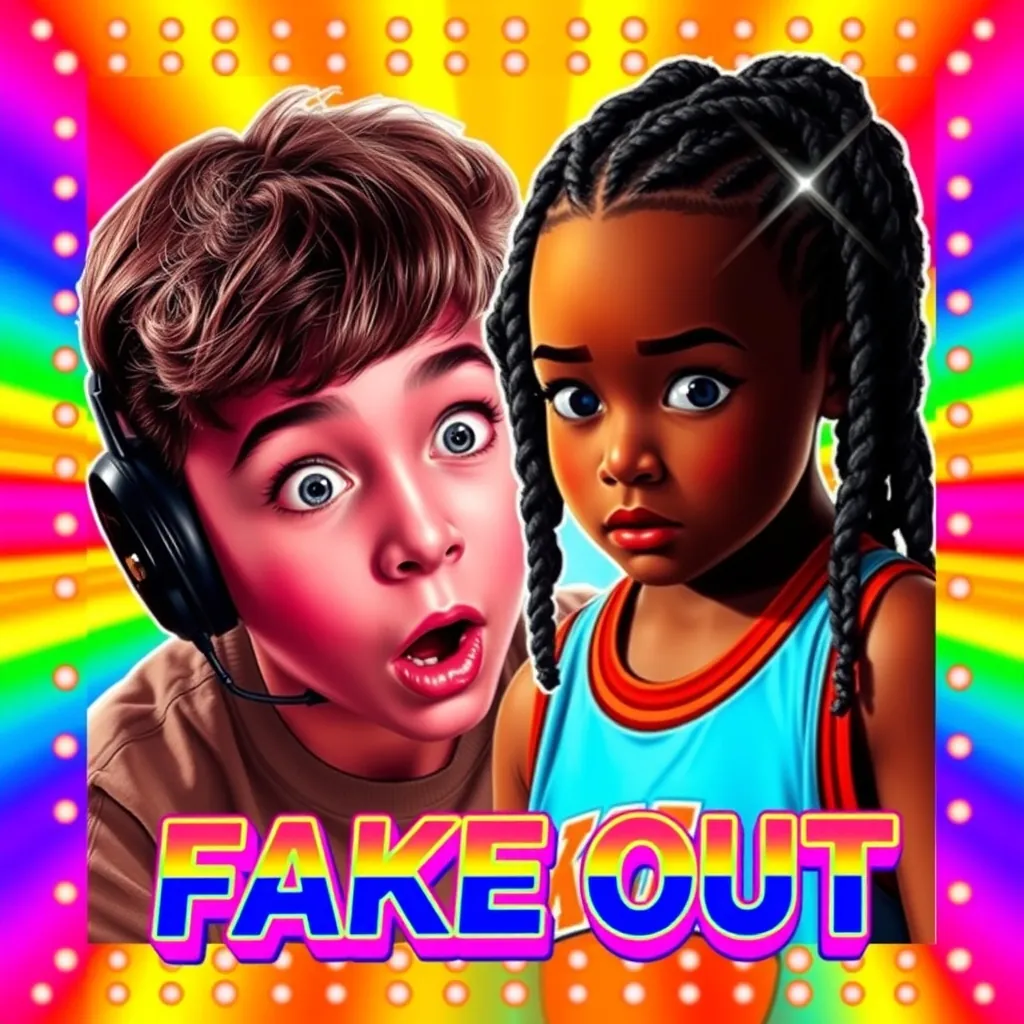
In case you missed the clip that went nuclear across TikTok and X/Twitter faster than a Kai Cenat subathon donation train: IShowSpeed, the 19-year-old YouTube streamer with 23 million subscribers who screams louder than a World Cup stadium, once mistook a Snoop Dogg impersonator for the actual Doggfather. On camera. In front of hundreds of thousands of live viewers. The clip is vintage Speed—wide-eyed, shrieking, doing that buck-toothed expression that's become his entire brand—while some random dude in braids and a Lakers jersey stands there probably thinking about his mortgage payments.
Now Snoop himself has weighed in on the viral moment, and true to form, the Long Beach legend is unbothered but amused. "That ain't me, nephew," Snoop reportedly said with the calm of a man who's been famous since before Speed's parents were born.
But here's where it gets actually interesting from a creator-economy standpoint—and why this isn't just another viral lolmoment to scroll past on your TikTok For You Page.
Welcome to the Impersonation Industrial Complex
Celebrity lookalikes and impersonators have existed since literally ancient Rome (look it up, Julius Caesar had dopplegängers causing diplomatic incidents). But the creator economy has supercharged this phenomenon into a legitimate micro-industry.
Consider the parallel universe happening on Chinese platforms right now. On Douyin and Kuaishou, there's an entire ecosystem of FAKE TRUMP impersonators—guys in orange makeup doing rally-style livestreams, selling "Trump cleaners" in viral skits, and racking up millions of views. There are fake Bidens, fake Musks, and even satirical Xi-style impersonators walking that razor-thin line between comedy and censorship. Some of these creators pull in six-figure RMB monthly revenues through virtual gifts and e-commerce integrations that Western platforms can only dream about.
Back in the West, the impersonator economy runs on different mechanics but hits similar cultural notes. Remember when xQc got bamboozled by a fake PewDiePie during a Twitch collaboration? Or when Adin Ross's set was infiltrated by a fake version of... well, everyone during his boxing era? The Sidemen have built entire video formats around lookalike chaos. It's content-ception: creators creating content about fake creators creating fake content.
Why Speed's Flub Matters
IShowSpeed isn't just any streamer—he's the avatar of Gen Z's post-ironic, post-sincerity, everything-is-content mindset. With 23 million YouTube subscribers, 12 million TikTok followers, and a deal with the Prime energy brand alongside Logan Paul and KSI, Speed has more cultural juice than most traditional celebrities half his age.
When he gets fooled by an impersonator, it's not just an L—it's a symptom. Parasocial relationships have metastasized to the point where even professional content creators, people who literally study internet personalities for a living, can't always tell the real from the fake. The Skibidi Toilet generation is growing up in a hall of mirrors where AI influencers like Lil Miquela share timeline space with real humans who act like bots.
Snoop Dogg weighing in adds another layer. The Doggfather has successfully reinvented himself for the internet age—appearing in gaming streams, doing TikTok trends, becoming a meme before memes were even a thing. He's the rare boomer-era celebrity who actually understands creator economics. His reaction isn't confused outrage; it's the weary amusement of someone who's watched the industry evolve from CD sales to TikTok dances.
The Numbers Behind the Nonsense
Let's talk money, because that's what viralmvp.com does best.
Professional celebrity impersonators can earn anywhere from $200-$2,000 per event, according to industry estimates. But the real money is in content. A viral TikTok of a celebrity lookalike doing something absurd can generate millions of views—which translates to Creator Fund payouts, brand deals, and cross-platform funneling.
On Kuaishou, those fake Trump impersonators? Some reportedly earn 100,000+ RMB ($14,000+) monthly through virtual gifts during livestreams. That's more than most mid-tier YouTubers with 500K subscribers make from AdSense.
The impersonator economy exists in a gray zone legally. While parody is protected speech in most jurisdictions, using someone's likeness for commercial gain without permission crosses into murky territory. Expect more legal battles as AI deepfakes make impersonation easier and more convincing.
The Speed-Snoop Cinematic Universe
This isn't the first time IShowSpeed and Snoop Dogg have crossed paths in the cultural ether. Speed's entire persona—the exaggerated reactions, the loud unpredictability—owes a debt to Snoop's decades of meme-worthy public appearances. They're both performers who understood that authenticity in the internet age is less about being "real" and more about being consistently entertaining.
The difference? Snoop built his brand over 30 years across music, film, and television. Speed built his in 3 years on YouTube and Twitch. The accelerator is broken, and the impersonator economy is just one symptom of a creator landscape moving at ludicrous speed.
Bottom Line
IShowSpeed mistaking a fake Snoop for the real one is funny, sure. But it's also a neon sign pointing toward a future where "real" and "fake" are increasingly meaningless distinctions. When AI-generated influencers share space with human creators, when deepfake technology becomes accessible to anyone with a smartphone, when even professional internet people can't spot the impostors—maybe we're all just Speed, screaming at a guy in a Lakers jersey, hoping it's our hero.
Snoop Dogg gets it. The rest of us are still catching up.