Crimes New Roman vs. Dramaslop: YouTube's Commentary Civil War
The YouTube commentary community is eating itself alive again, and honestly? It's about time somebody with a pulse said something. Crimes New Roman—a channel that's been carving out a reputation for actually having standards in the cesspool of drama commentary—dropped a nuclear take on the so-called "dramaslop" community last week, and the reaction was swift, furious, and utterly predictable.
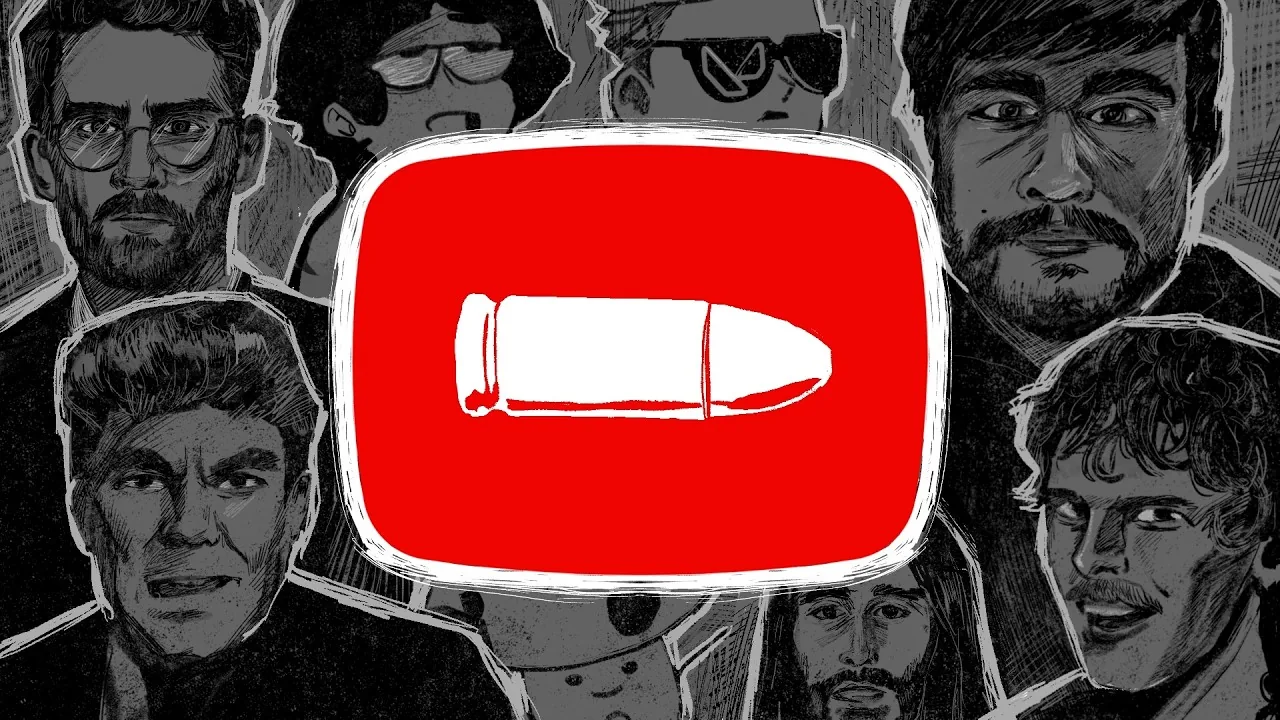
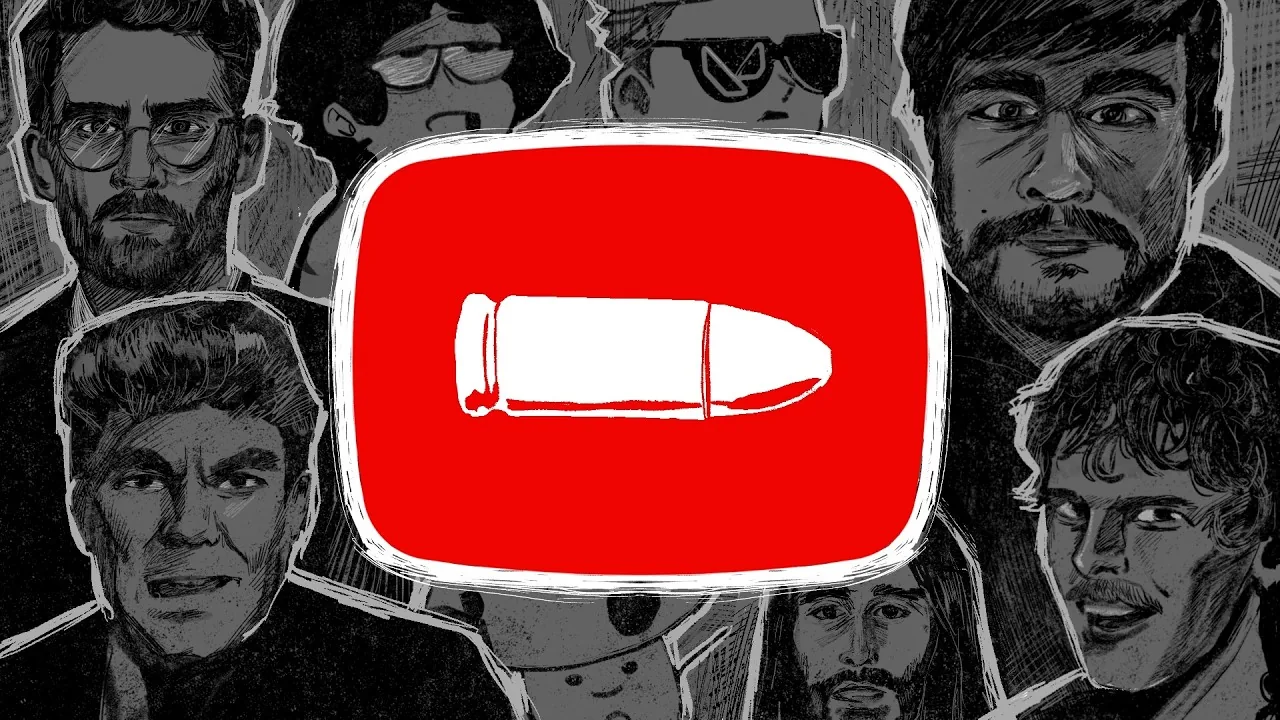
Let's set the scene for anyone who hasn't been doom-scrolling r/YouTubeDrama at 3 AM. The video in question, which racked up serious engagement on the subreddit with over 550 upvotes (translation: by that community's standards, this was front-page nuclear), called out an entire ecosystem of reaction channels that have turned human misery into a content conveyor belt. You know the ones. Channels that sit in front of a webcam, gasp dramatically at someone else's downfall, add nothing of substance, and collect that sweet AdSense revenue while actual creators burn.
The term "dramaslop" is perfect and I'm stealing it permanently. It's the content equivalent of pink slime—that processed paste they turn into fast food patties. It looks like commentary, it's shaped like commentary, but nutritionally it's empty calories designed to keep you scrolling through preroll ads.
Crimes New Roman's thesis wasn't exactly controversial to anyone with two brain cells to rub together: the drama reaction ecosystem incentivizes manufacturing outrage, treating real people's lives as content fodder, and creating a perpetual outrage machine where every minor disagreement becomes a "CRASHOUT" or a "BEEF" worthy of forty-seven reaction videos. We've seen this pattern play out endlessly—whether it's the Sidemen drama industrial complex, every Twitch streamer's relationship becoming public property, or the way TikTok tea accounts turn teenagers' mental health crises into engagement bait.
The backlash came exactly as predicted. The "reactionaries" (a term I'm using deliberately here because these people react to everything like Pavlov's dogs hearing a dinner bell) mobilized with impressive speed. Their defense? The usual buffet of excuses: "we're just reporting the news," "people want to know," "we're holding creators accountable."
Sure, Jan. Because your fifteen-minute video of you watching someone else's video and going "bro, that's crazy" is investigative journalism.
Here's what makes this particular dustup interesting from a creator-economy perspective: it exposes the structural problem at the heart of YouTube's commentary ecosystem. The platform's algorithm rewards frequency and engagement above all else. A channel like Crimes New Roman that actually researches, scripts, and produces thoughtful commentary can maybe output one video a week. A dramaslop channel can pump out three reaction videos a day, each getting 50-100K views, because they're surfing the algorithm's wave in real-time.
Do the math on that. If you're getting 150K views daily across three videos with even mediocre CPM, you're pulling $300-500 daily. That's six figures a year for literally just sitting there and reacting to other people's work. Meanwhile, the creators whose content is being harvested? They're seeing a fraction of that engagement on their original material because the algorithm decided the reaction version was more "engaging."
This isn't just a YouTube problem either. We've seen identical dynamics on TikTok, where duet and stitch features have created entire subcultures of "responders" who build audiences purely by reacting to other people's content. On Twitch, the meta of "react content" has become so dominant that streamers who actually play games or create original material struggle to compete with someone watching MasterChef for eight hours.
The backlash against Crimes New Roman also revealed something uglier: the entitlement of the dramaslop ecosystem. When called out, the response wasn't self-reflection—it was circling the wagons. Multiple mid-tier commentary channels dropped response videos within 48 hours, each one somehow managing to prove Crimes New Roman's point while ostensibly arguing against it.
What we're witnessing is the YouTube equivalent of fast-food workers getting mad when someone points out that maybe their product isn't exactly Michelin-star cuisine. Nobody's saying you can't enjoy a Big Mac sometimes. But when the entire food industry becomes nothing but Big Macs, maybe we have a problem.
The creator economy is maturing, and these growing pains are inevitable. We saw similar convulsions when Patreon pushed creators toward subscription models, when OnlyFans threatened to ban explicit content and nearly collapsed its own ecosystem, and when TikTok's creator fund revealed itself to be paying fractions of a penny per view. The dramaslop debate is really a debate about what we value in content creation: volume or quality, reaction or creation, slop or substance.
Crimes New Roman deserves credit for poking a hornet's nest that needed poking. The backlash proves the point—if your entire business model can't survive basic criticism without mobilizing a defensive army, maybe your business model isn't as sturdy as you thought.
The real question is whether this moment leads to any actual change. History suggests probably not—the algorithm wants what the algorithm wants, and creators will follow the money. But at least now there's a term for it. Dramaslop. Say it loud, say it proud, and for the love of all that's holy, maybe think twice before you click on that thirty-seventh reaction video about whatever creator drama is trending today.