The FaceTune Industrial Complex Is Eating Itself Alive
Let's talk about the digital Botox epidemic currently rotting creator culture from the inside out.
If you've scrolled through r/InstagramReality lately—and honestly, why would you do that to yourself unless you enjoy screaming into the void—you've seen the horror show. The "Chasing the Fountain of FaceTune" compilation making the rounds isn't just cringe; it's a full-blown autopsy of the creator economy's most open secret: everyone is lying about their face, and we're all pretending not to notice.
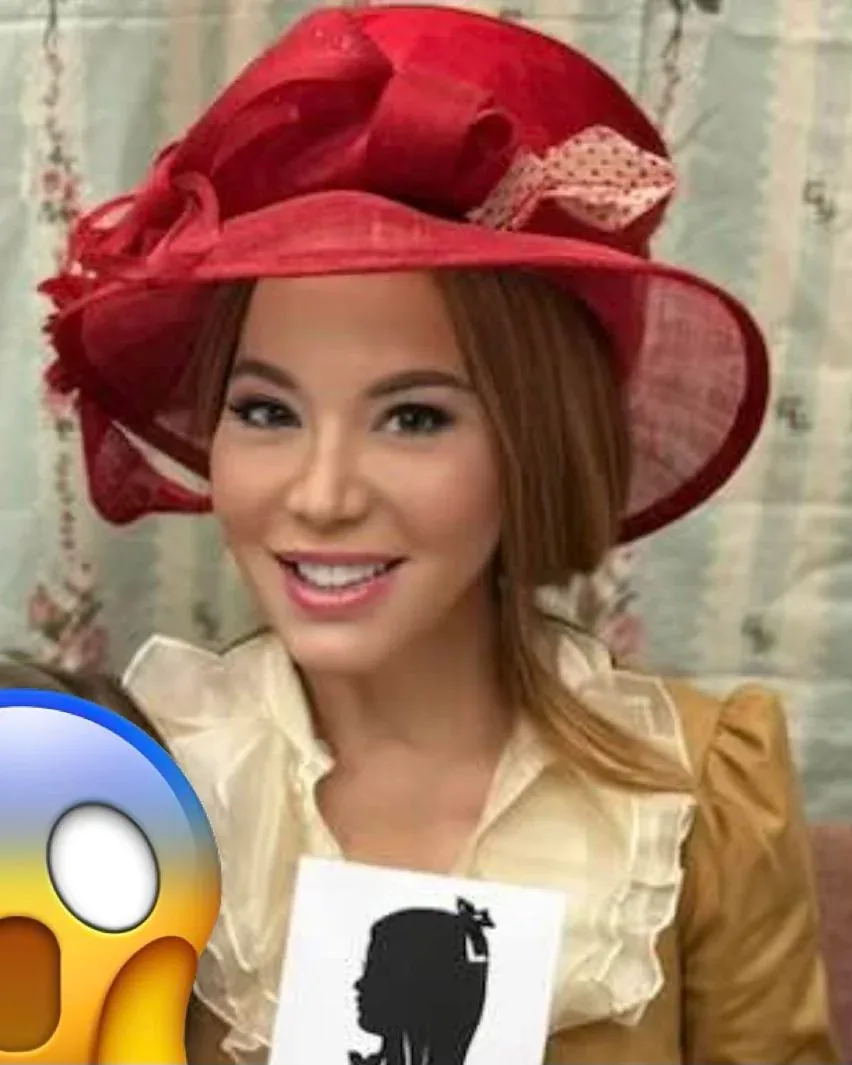
Here's the thing about FaceTune, Snow, Meitu, and the seventeen other apps currently giving grandmothers in Ohio anime eyes: they're not just beauty tools anymore. They're the entire foundation of the influencer-industrial complex. Your favorite creator's jawline? Fiction. Their poreless skin? Digital performance art. That "candid" bathroom selfie with the impossibly tiny waist? The Mona Lisa had less post-production work.
And the numbers are genuinely psychotic. FaceTune's parent company Lightricks pulled roughly $300M in revenue in recent years, largely from people who decided reality was optional. Snapchat's beauty filters—those face-slimming, nose-shrinking, eye-enlarging augmented reality lenses—are used by over 300 million people daily. Three hundred million humans voluntarily entering the Uncanny Valley before breakfast.
But here's where it gets really dark, and where creator-economy mechanics start grinding gears: the FaceTune trap is a business model. You curate an impossible version of yourself, brands pay premium rates for that fantasy, and then you're trapped maintaining the illusion forever. It's parasocial contract with a lies clause.
Kim Kardashian—yes, that Kardashian, the one with 364M Instagram followers and a net worth hovering around $1.8 billion—has been called out approximately 847 times for editing her photos. The wrist-warping, door-bending, floor-melting Photoshop disasters are practically a subgenre at this point. But here's the kicker: it literally doesn't matter. She still moves SKIMS product. She still gets the magazine covers. The algorithm doesn't care about your warped background; it cares about engagement, and warped faces get engagement.
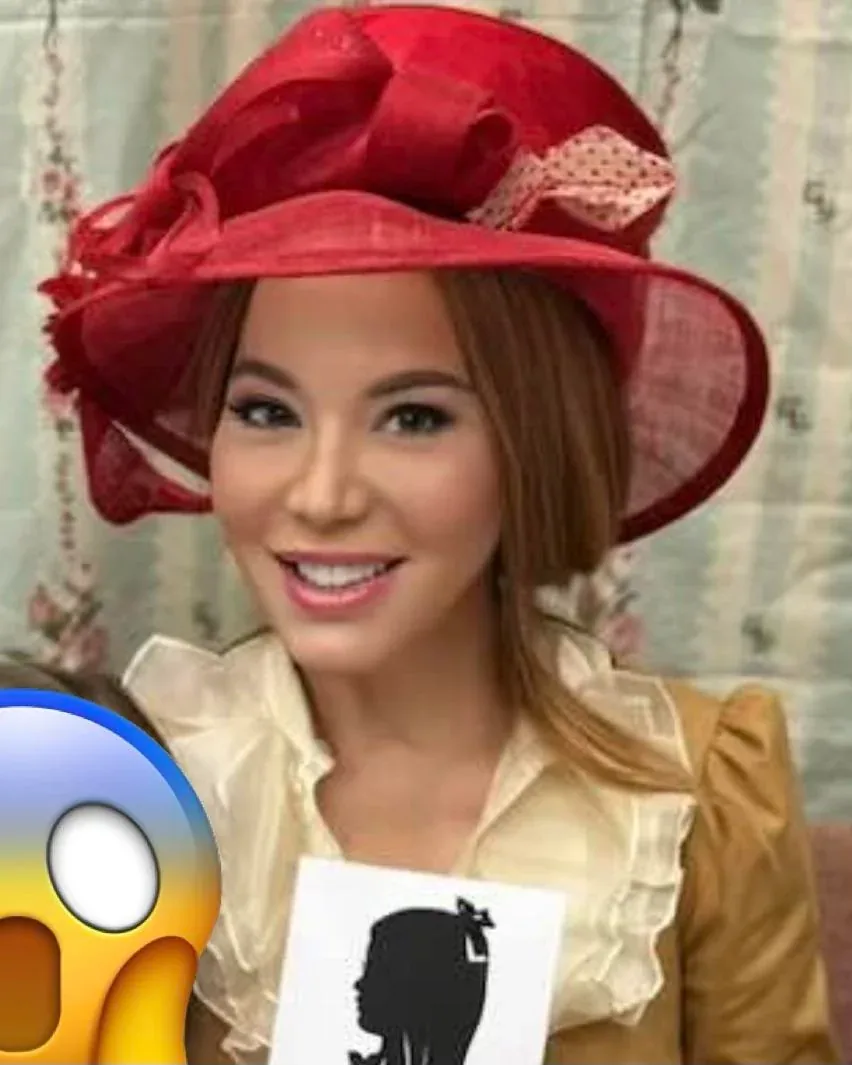
Meanwhile, over on TikTok—where 1.5 billion monthly active users are currently absorbing beauty standards that would make a Barbie doll uncomfortable—the filter economy has gone nuclear. The "Bold Glamour" filter alone was used in tens of millions of videos before TikTok quietly pulled it. Why? Because it was too good. It wasn't just smoothing skin; it was surgically restructuring bone formation in real-time, and even The Wall Street Journal ran op-eds about teenage girls having meltdowns when they turned it off and remembered what they actually looked like.
And before anyone starts with the "well, it's just a Western thing"—nope. The Asian beauty-filter economy makes our FaceTune shenanigans look like finger painting. China's Meitu app, which has been downloaded over 1.2 billion times (yes, billion), doesn't just smooth your skin; it can change your ethnicity. The "ethnicity filters" controversy was so radioactive that Meitu had to publicly apologize, but the downloads kept climbing. South Korea's Snow app, Japan's SNOW and B612, India's BeautyPlus—these apps have collectively warped more self-images than every fashion magazine in history combined.
Which brings me to the truly unhinged frontier: the creator culture wars over authenticity as content.
Remember when Bretman Rock (32M+ followers across platforms) posted an unfiltered selfie and it went viral specifically because it showed his acne? That's where we are now. Showing your actual human face is a bravery content genre. The bar is in hell and it's wearing a snapchat filter.
And then there's the wild world of Douyin and Kuaishou, where the beauty standards arms race has reached some kind of singularity. Chinese beauty influencers (美妆博主) routinely use filters that give them faces physiologically impossible for any human skull structure—and their audiences know and don't care. It's performance. It's understood as performance. But it's also slowly recalibrating what an entire generation of young people considers "normal" for a human face.
The irony, of course, is that the people making the most noise about "body positivity" and "authenticity" are often the ones most deeply addicted to the FaceTune fountain. You can't scroll three posts past a "love yourself" carousel without the poster's waist being smaller than their head. It's hypocrisy as content strategy, and it prints money.
Here's my take, and it's not a hot one because everyone already knows this: the FaceTune economy is a bubble, and like all bubbles, it's going to pop spectacularly. We're already seeing the cracks. The rise of "get ready with me" authenticity content, the anti-filter backlash movements on TikTok, the growing marketability of creators who explicitly don't edit themselves—these are the tremors before the earthquake.
The smartest creators are already positioning themselves on the right side of history. The rest are still shrink-wrapping their jaws every morning and hoping nobody notices the warped doorframe behind them.
Your move, internet.