Born Without A Ribcage? Welcome To Influencer Body Horror
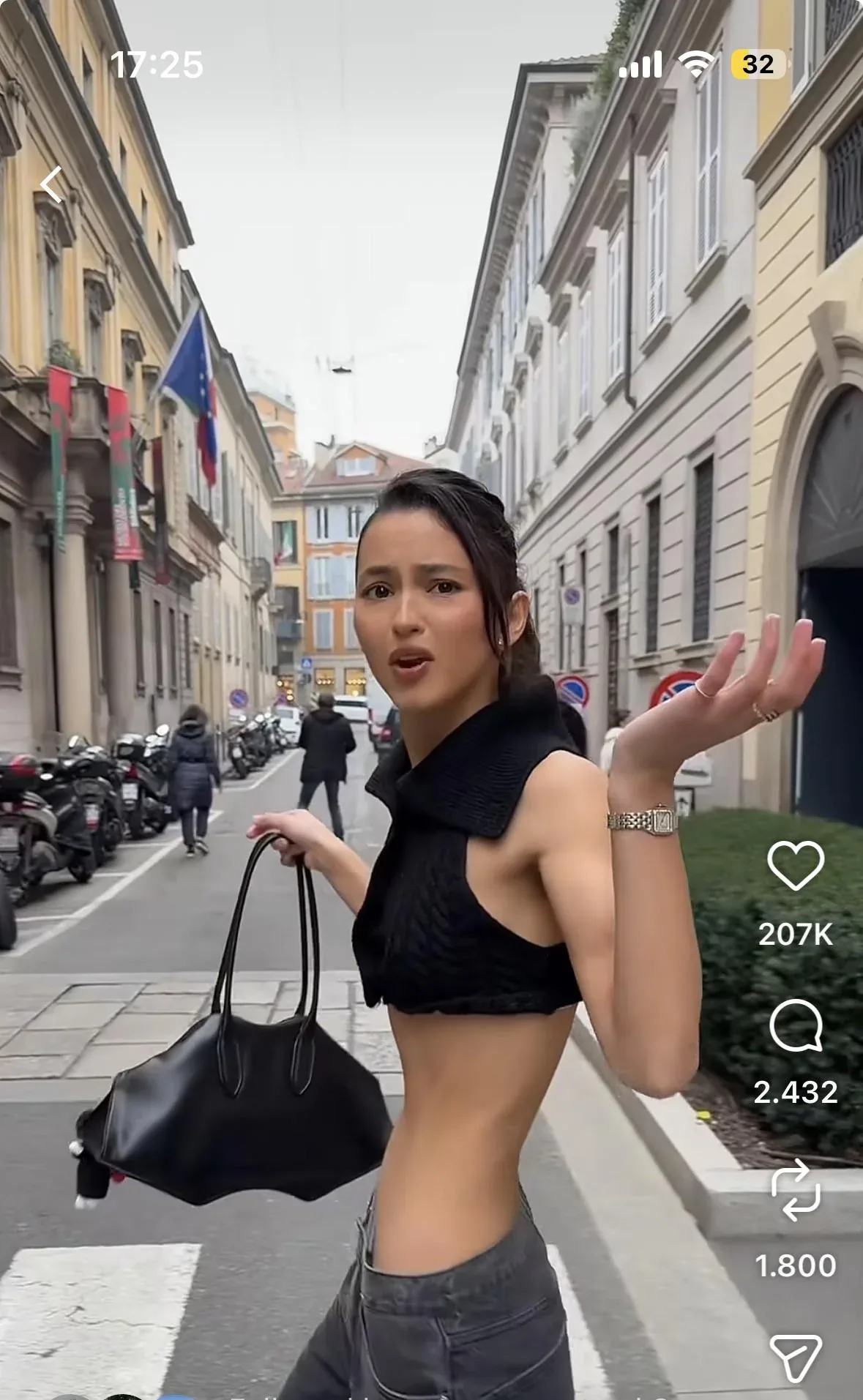
There's a screenshot making the rounds on r/InstagramReality that should come with a warning label. A creator—allegedly walking, breathing, posting—appears to have had her entire ribcage surgically removed via Photoshop. Waist so snatched she looks like a lowercase 'q' standing upright. The internet's collective reaction: "Born without a ribcage?"
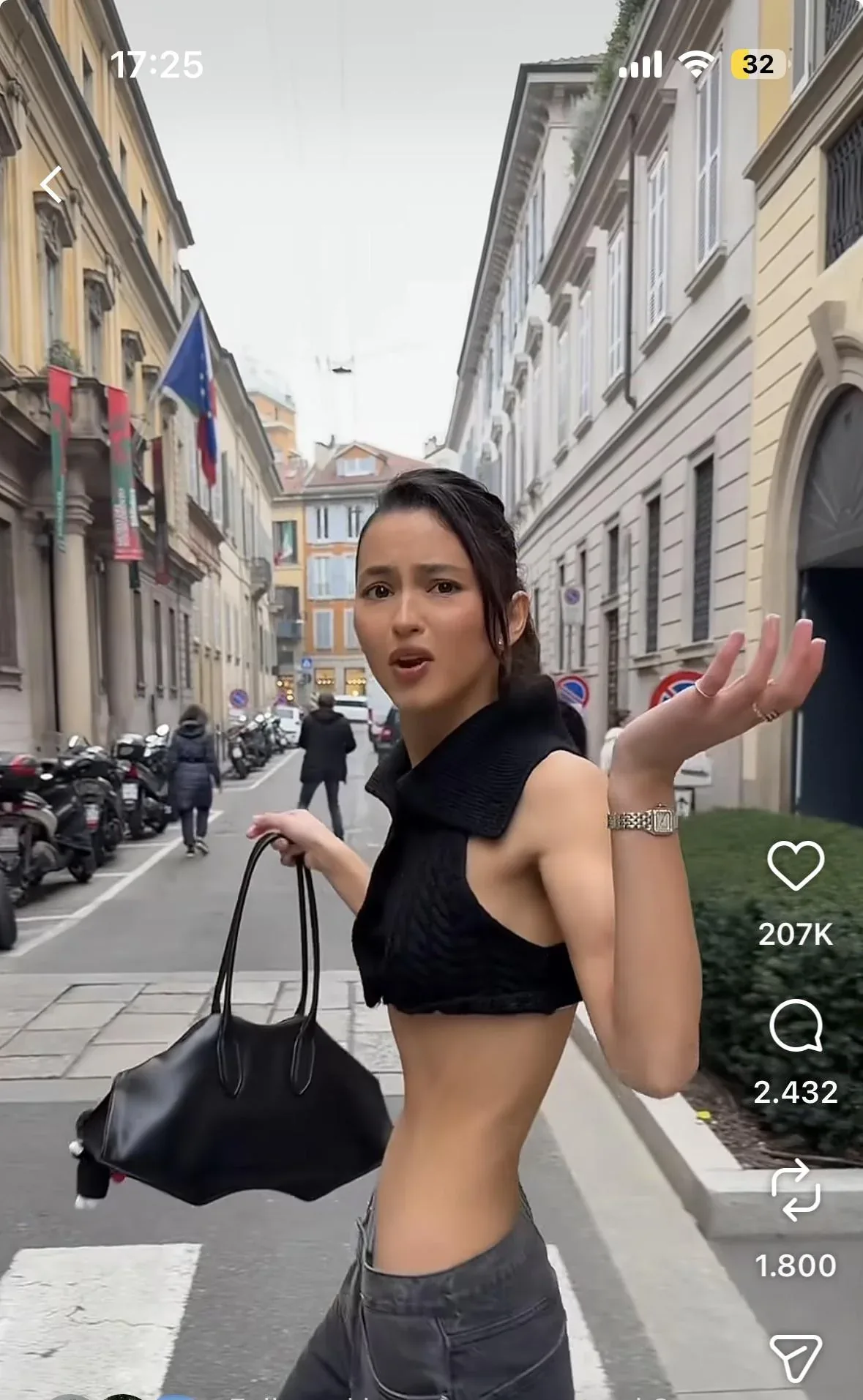
And honestly? We shouldn't be surprised. Welcome to the body horror era of the creator economy, where the gap between ring-light reality and FaceTune fantasy has collapsed into full anatomical abstraction.
Let's talk numbers. Instagram has roughly 2 billion monthly active users. TikTok boasts 1.5 billion. According to a 2024 study by the American Academy of Facial Plastic and Reconstructive Surgery, 79% of surgeons reported patients showing filtered selfies as reference for desired results. That's not a beauty standard—that's a digital pathology.
The "ribcage incident" isn't isolated. It's the logical endpoint of an ecosystem that has rewarded visual distortion for over a decade. Remember when the Kardashians—Kim, Khloé, Kourtney—pioneered the impossibly tiny waist? When Kylie Jenner's lips broke the internet and then broke the faces of a generation of teenagers chasing that pout? That was the gateway drug. Now we're deep in the fentanyl phase of body modification content.
On TikTok, the #BodyEditing tag has accumulated over 2.3 billion views. That's not a typo. BILLION. Creators like西班牙裔美国网红 Domelipa (Dominik Lipa), Kimberly Loaiza, and countless others face daily accusations of extreme photo manipulation. In India, creators like Riyaz Aly and Avneet Kaur navigate similar scrutiny—the pressure to present pixel-perfect bodies drives an entire underground economy of editing tutorials and "before/after" exposé content.
But the real ground zero for body distortion? Look east. China's beauty filter ecosystem makes Instagram look like amateur hour. Apps like Meitu (美图), Snow, and B612 offer AI-powered body reshaping that would make a Victorian corset manufacturer blush. On Douyin (抖音, TikTok's Chinese counterpart), the #瘦脸 (thin face) hashtag has billions of views. The #大眼 (big eyes) filter is practically mandatory for female creators. Li Jiaqi (李佳琦, the 'Lipstick King' of Chinese livestreaming) built his empire on beauty standards that are literally filtered through the screen.
And here's where it gets truly dystopian: these tools are now baked INTO platforms. Instagram's own filters can slim your face, smooth your skin, and—yes—narrow your waist in real-time during livestreams. Snapchat's Beauty Scan feature literally tells you what's wrong with your face and how to fix it. This isn't user choice; it's platform-enforced insecurity.
The creator economy incentives this madness. Brand deals flow to the aesthetic. A 2023 report from Influencer Marketing Hub estimated that beauty and lifestyle influencers earn 30-50% more per sponsored post than creators in other niches. When your literal body is your content, every waist pixel matters. Every ribcage that disappears is a dollar earned.
But there's pushback. Accounts like @CelebFace and @InstagramReality have built massive followings calling out the fakeness. On TikTok, creators like Remi Bader pioneered the "realistic try-on" genre, refusing to hide their bodies. The body positivity movement—while imperfect and often co-opted—at least exists as a counterweight.
The problem? The algorithm doesn't care about your mental health. Instagram's own internal research (leaked by Frances Haugen in 2021) showed the platform makes body image issues worse for one in three teen girls. Meta's response was basically ¯_(ツ)_/¯ and a few surface-level tweaks.
So where do we go from here? AI is about to make this exponentially worse. Generative AI can now create entirely fake influencers—bodies that don't exist, faces that no human was born with. Lil Miquela, Lu do Magalu, and dozens of virtual influencers already have millions of followers. The ribcage-less creator in that viral image might not even be human. Does it matter anymore?
The creator economy is at an inflection point. We've normalized visual fraud. We've built billion-dollar platforms on the foundation of human insecurity. And we've created a generation of young people who think their bodies are wrong because they don't look like a Photoshop error.
Born without a ribcage? No. Born into a digital ecosystem that profits from your belief that you should have been. And that's the real horror show.
The fix isn't individual creators choosing to #posttheunfiltered. It's structural. Algorithmic transparency. Age-restricted filtering. Platform liability for mental health impacts. And maybe—just maybe—a cultural reckoning with the fact that "aesthetic content" has become a euphemism for industrial-scale body terrorism.
Until then, keep your ribcage. You'll need it for breathing.