The 16-to-60 Pipeline: How Filters Lied to a Generation
Welcome to the most unhinged optical illusion since your aunt discovered Facebook portrait mode. Reddit's r/Instagramreality just dropped a gallery that's making everyone question literally every selfie they've ever trusted — and it's exposing the entire influencer industrial complex in one devastating before-and-after.
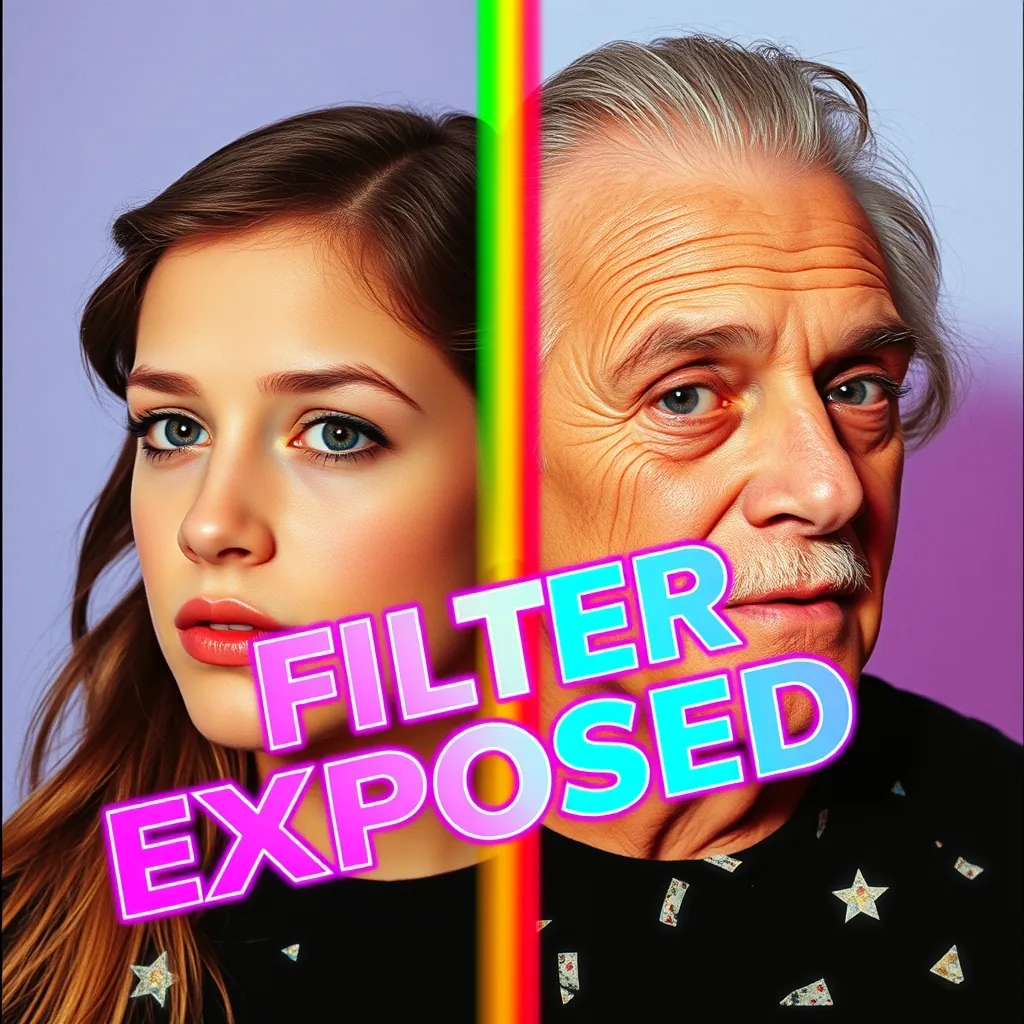
The post titled 'From 16 to 60' isn't clickbait. It's a forensic-level takedown of what beauty filters have done to our collective perception of human faces. We're talking about creators and influencers who've built literal empires on faces that exist approximately nowhere in physical reality. And the comments? Pure digital catharsis.
Here's the deal: the Instagram reality subreddit has been the internet's premier BS detector for years, cataloguing the most egregious Photoshop disasters and Facetune crimes since the platform became a beauty standard dictatorship. But this particular post hit different because it wasn't just about one bad edit — it was about the entire spectrum of deception. Teenagers contouring themselves into 30-something fashion bloggers. Thirty-something fashion bloggers smoothing themselves back into teenagers. It's a recursive nightmare of face-altering apps all the way down.
Let's talk numbers because the creator economy doesn't lie (even if the faces do). The global beauty filter market is projected to hit $1.2 billion by 2026. Meitu (美图), the Chinese beauty cam app that practically invented the modern face filter, boasts over 1 billion downloads and has publicly admitted that its 'before and after' photos demonstrate a 40% increase in 'perceived attractiveness.' That's not a feature — that's a business model built on collective insecurity.
And who's profiting? Let's name names. On TikTok, beauty influencers routinely rack up millions of views using what can only be described as 'digital makeup' — the kind that would make a Renaissance painter weep. Charli D'Amelio built a 150+ million follower empire at age 16, and while she's been relatively transparent about her content, the ecosystem that spawned her absolutely wasn't. Every smoothed pore and enlarged eye on her platform set a standard that actual humans with actual pores couldn't meet.
In China, Douyin (抖音) beauty culture makes Instagram look positively restrained. Creators like Viya (薇娅) — before her tax-evasion downfall — and Li Jiaqi (李佳琦, the 'Lipstick King') built their brands on camera-ready appearances that were then filtered within an inch of recognizability. Xiaohongshu (小红书, RED) became ground zero for 'teach me how to look like this' content where 'this' was unachievable without proprietary beauty algorithms. The platform reported over 200 million monthly active users, most of them consuming beauty content that was 30% skincare routine and 70% digital processing power.
South Korea's K-beauty export machine — amplified by idols like BTS's Jungkook (정국) and BLACKPINK's Lisa (ลลิษา มโนบาล) — created a global standard of poreless perfection that feeds directly back into the filter economy. When NewJeans or ITZY members post 'selfies' that receive millions of likes, those images have typically passed through multiple processing layers. The fans know it. The agencies know it. Nobody talks about it because the aesthetic is the product.
Back in the Western creator space, the filter dependency has created what dermatologists are now calling 'Snapchat dysmorphia' — patients bringing in filtered photos and asking surgeons to make them look like their own digital modifications. A 2023 survey found that 72% of Gen Z respondents used beauty filters before posting, and 31% said they wouldn't post a photo without one. That's not vanity; that's a generation that's forgotten what unfiltered faces look like.
The r/Instagramreality post went viral because it visualized what everyone secretly knew but didn't want to admit: the pipeline from 'fresh-faced teen' to 'heavily filtered 60-year-old trying to look 16' is actually a two-way street. You can age up, age down, smooth out, plump up, and fundamentally alter your facial architecture with zero surgical intervention. And when everyone's doing it, the uncanny valley becomes the new normal.
This matters for the creator economy because authenticity is supposedly the currency of influence. MrBeast's $700+ million brand works because the stunts feel real. Khaby Lame became the most-followed person on TikTok (162+ million followers) by being refreshingly, almost aggressively unfiltered — his entire brand is pointing out absurdity. IShowSpeed's chaotic energy works because you can't script whatever happens in his brain. These creators succeed specifically because they rejected the filter pipeline.
But for every authentic creator, there are thousands caking on digital modification like it's SPF 100. YouTube beauty gurus who shall remain nameless have been caught using different filters in the same video, their jawlines shifting like tectonic plates between cuts. Instagram models post 'no makeup selfies' that are visibly processed through three separate enhancement apps. The influencer-to-brand-deal pipeline — where a single sponsored post can command $50,000 to $500,000 depending on follower count — incentivizes this deception. Brands don't want to hire someone who looks 'tired' or 'real.' They want the filtered version, which means the creator is trapped in a cycle of perpetual digital renovation.
The real victim here isn't truth in advertising — it's the audience's collective self-image. When your feed consists entirely of faces that have been mathematically optimized for engagement, your own reflection starts looking like a mistake. The comments on the r/Instagramreality post tell the story: teenagers expressing relief that they're 'not the only one' with texture on their skin, adults realizing they've never actually seen what their favorite influencers look like.
Platforms bear responsibility too. Instagram's internal research — the same research they tried to bury — showed that their beauty-altering features exacerbated body image issues, particularly among teen girls. TikTok's 'Enhance' feature is literally a one-tap beauty filter built into the camera. Snapchat pioneered the augmented-reality face modification that started this arms race. Every platform has contributed to the normalization of digital face alteration, and every platform profits from the engagement it generates.
The solution isn't banning filters — that's both impractical and paternalistic. The solution is what r/Instagramreality is already doing: showing the seams. Demanding transparency. Refusing to let the creator economy pretend that digital modification isn't happening. It's about recognizing that when a 16-year-old looks 25 and a 60-year-old looks 25 and everyone on your feed looks 25, something in the system is fundamentally broken.
The 'From 16 to 60' post isn't just a viral gallery. It's a mirror — unfiltered, unenhanced, and deeply uncomfortable to look at. And honestly? That's exactly what we need.