The Filter Epidemic: When Creators Warpaint Themselves Into Uncanny Valley
There's a post rattling around r/InstagramReality right now that perfectly captures the intellectual disease rotting through the creator economy from the inside out. The title says it all: "Insane filtering from a woman who needs 0 filters."
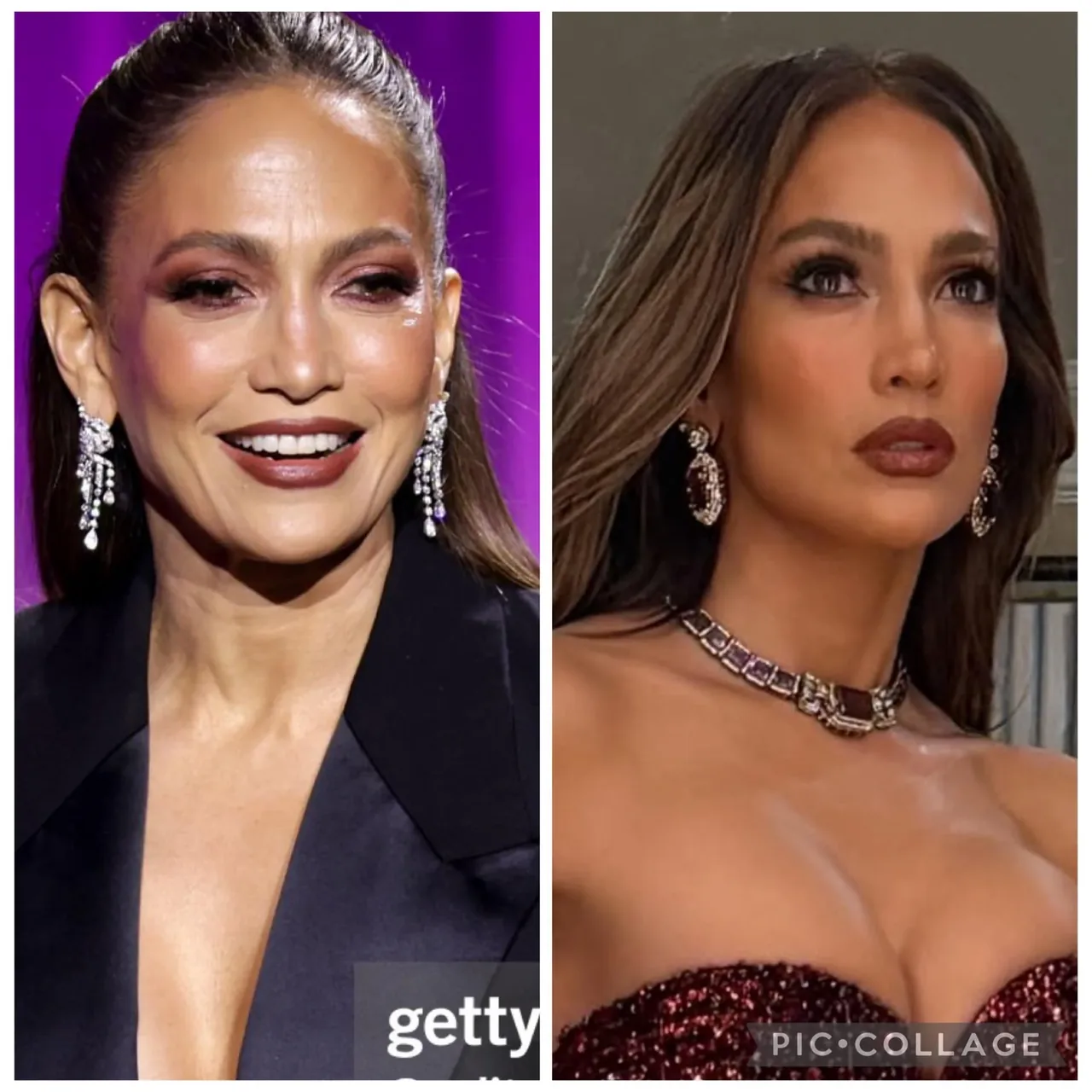
And honestly? That one sentence is the entire thesis statement of everything wrong with beauty-content culture in 2025. We've created an army of creators so deeply addicted to the smoothing, the slimming, the pore-erasing, the jaw-sculpting digital surgery that they've lost the ability to see their own faces. Actually beautiful people, warping themselves into plasticine nightmares because the algorithm told them pores are a crime against engagement.
Let me be clear about something: this isn't about vanity. Vanity is human. Vanity is why lipstick exists. This is about a generation of creators who've been marinated in beauty-tech propaganda since they were old enough to hold a phone. TikTok's Dynamic Keller filter, Snapchat's Bold Glamour, Instagram's entire buffet of face-melting augmentation—these aren't accessories anymore. They're oxygen. Creators panic-breathe without them.
The numbers tell the story. Snapchat's augmented reality filters are used by over 300 million daily active users. TikTok's beauty effects are applied to literally billions of videos. A 2024 study from the University of Toronto found that 78% of female content creators between 18-34 use some form of facial enhancement filter “most or all of the time” when posting. This isn't a niche behavior. It's the default operating system.
But here's where it gets insidious: the creator economy rewards this delusion. Brands don't want to partner with “real.” They want to partner with aspirational. And in 2025, aspirational doesn't mean good skincare or disciplined nutrition. It means looking like a GPU rendered you in Unreal Engine 5. We've seen beauty influencers with 2 million followers on TikTok—people who've built entire empires on product recommendations—apply foundation to skin that doesn't technically exist. What exactly are you selling me? The pigment, or the pixel?
This isn't just a Western phenomenon. In China, the 美颜 (měiyán, “beauty filter”) arms race has reached levels that would make a silicon-valley AI ethicist faint. Meitu (美图), the Chinese photo-editing app with over 1 billion downloads, offers features that don't just smooth skin—they literally reshape your skull. Douyin (抖音) creators routinely use real-time face-altering tech during livestreams that shave jawlines, enlarge eyes, and shrink noses to proportions that violate the physics of human bone structure. Xiao Yang Ge (疯狂小杨哥), the comedy mega-creator with over 100 million Douyin followers, has built an entire comedic persona around the absurdity of these filters—but the irony is that millions of his viewers still apply them unironically every single day.
In South Korea, the pressure is so intense that “filter dysmorphia” has become a recognized clinical phenomenon. Patients bring filtered selfies to plastic surgeons and say “make me look like this.” The surgeon then has to explain that what they're looking at is geometrically impossible. The human face doesn't work that way. No one's face works that way. Not even the face in the filter—the filter doesn't have a face. It has a mathematical suggestion of one.
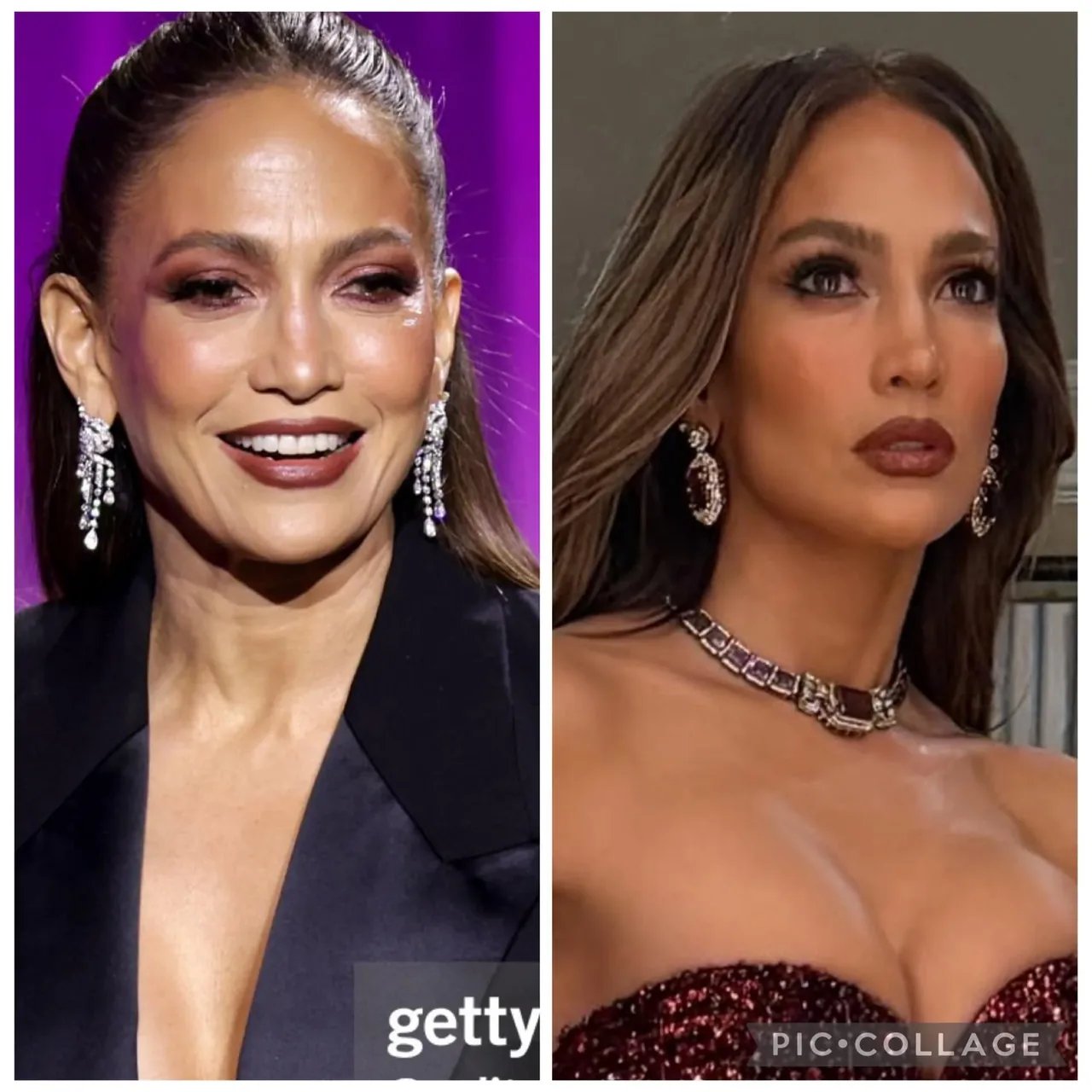
And let's talk about the platform incentives here, because they're the real villains. Instagram, TikTok, Snapchat—they're not just offering filters. They're building dependency. Every beauty filter is a data-collection mechanism. Every face-altering effect is training their computer-vision models on your actual face geometry. You're not just contorting yourself for likes. You're providing free biometric data to corporations that will use it to sell you things, to target you, to build the next generation of “personalized” advertising that knows you better than you know yourself.
The r/InstagramReality post hits different because it captures the tragicomedy perfectly. Here's a woman who, by all conventional and unconventional measures, is already attractive. She doesn't need the filter. But she uses it anyway—aggressively, cartoonishly, to the point where the community built on calling out fakery had to pause and note the absurdity. She's not enhancing her beauty. She's burying it under digital latex.
This matters for the creator economy because authenticity is supposed to be the currency. “Be yourself,” says every brand-deal brief. “Keep it real,” says every platform's creator guidelines. But the platforms themselves provide the tools to make “real” impossible to recognize. TikTok gives you Bold Glamour and then tells you to be authentic. Instagram offers face-warping effects and then penalizes accounts for “inauthentic behavior.” The cognitive dissonance is the product.
What's the solution? I don't think there is one, honestly. The filters are too embedded, the economics too aligned. Beauty creators who go filter-free get comments like “are you sick?” and “you look tired.” Creators who use subtle enhancement get accused of catfishing. The only winning move is to play the game and hate yourself for playing—which, come to think of it, describes most of the internet economy.
But posts like the one on r/InstagramReality? They're the tiny voices of sanity in the noise. “Insane filtering from a woman who needs 0 filters” isn't just a Reddit title. It's a diagnosis. It's a eulogy for unprocessed human faces on social media. It's the sound of someone noticing that the emperor has no pores.
And until the platforms decide that real faces are worth showing—or until audiences stop rewarding the plastic—this is just the world we live in. Filtered into oblivion. Smoothed into sameness. One BeautyTek-processed face at a time.