D4vd's 40TB Nightmare: The Creator Economy's Reckoning
The creator economy just got hit with a nuclear bomb, and the fallout is going to be ugly.
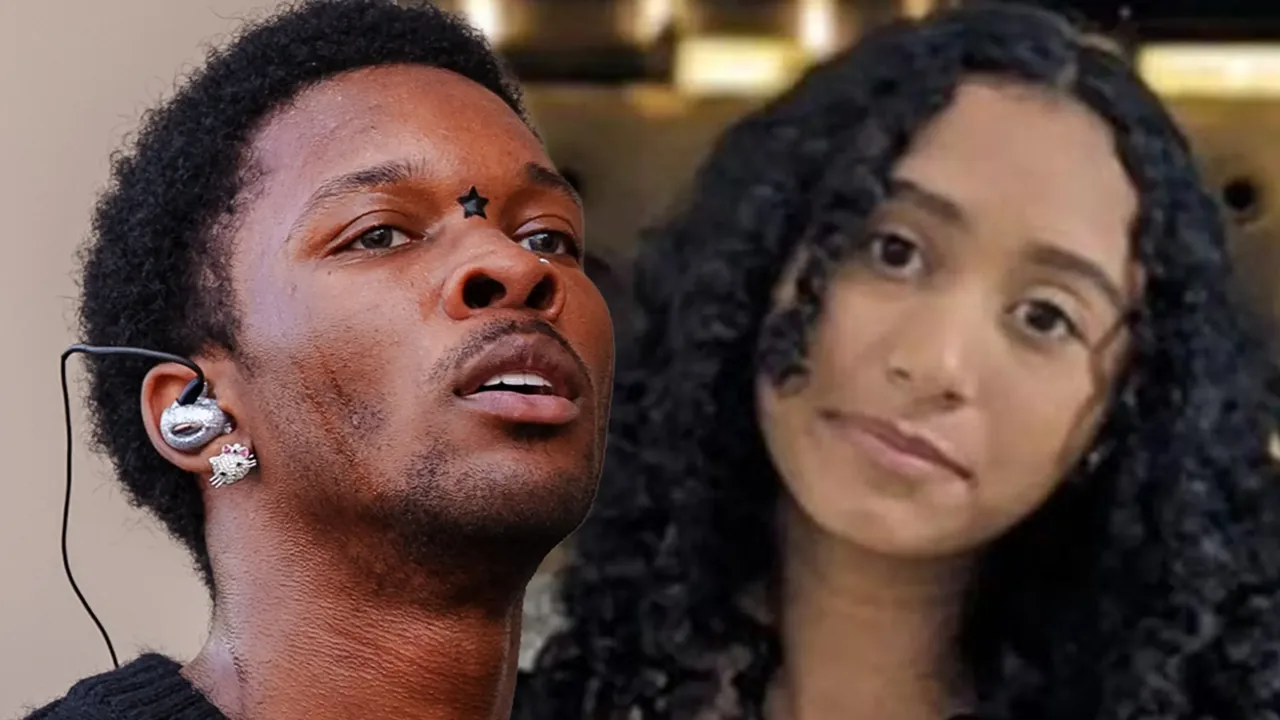
If you've been anywhere near r/LivestreamFail in the last 24 hours, you already know the name on everyone's lips: D4vd, the 19-year-old singer-songwriter who exploded out of TikTok's viral machinery with hits like "Romantic Homicide" and "Here With Me," amassing over 11 million monthly Spotify listeners and a devoted Gen-Z fanbase. Now, prosecutors allege his phone contained "tons" of child sexual abuse material (CSAM), and they're sitting on a staggering 40 terabytes of evidence in the case against him.
Let that number sink in. Forty. Terabytes. To put that in perspective, that's roughly 8 million photos or 40,000 hours of video. This isn't a "few bad files" situation—this is an archive. A library. And if prosecutors are to be believed, it was on his personal device.
The TMZ report dropped like a bunker buster on April 23, and the reaction across platforms has been swift and brutal. On Twitter/X, the hashtag #D4vd began trending within hours. On TikTok—the platform that birthed his career—reaction videos and commentary clips are racking up millions of views. The LivestreamFail post alone hit 7,400 upvotes in record time, with commenters drawing comparisons to other fallen creators and debating what this means for the broader ecosystem.
Here's what makes this particularly sickening: D4vd was supposed to be one of the "good ones." The wholesome success story. A kid who recorded songs in his sister's closet on BandLab, got discovered through TikTok's algorithmic magic, and turned bedroom recordings into Billboard-charting hits. He signed with Interscope Records. He performed at Rolling Loud. He was the poster child for the democratization of music creation—the idea that anyone with a phone and a dream could make it.
Turns out the phone was the problem.
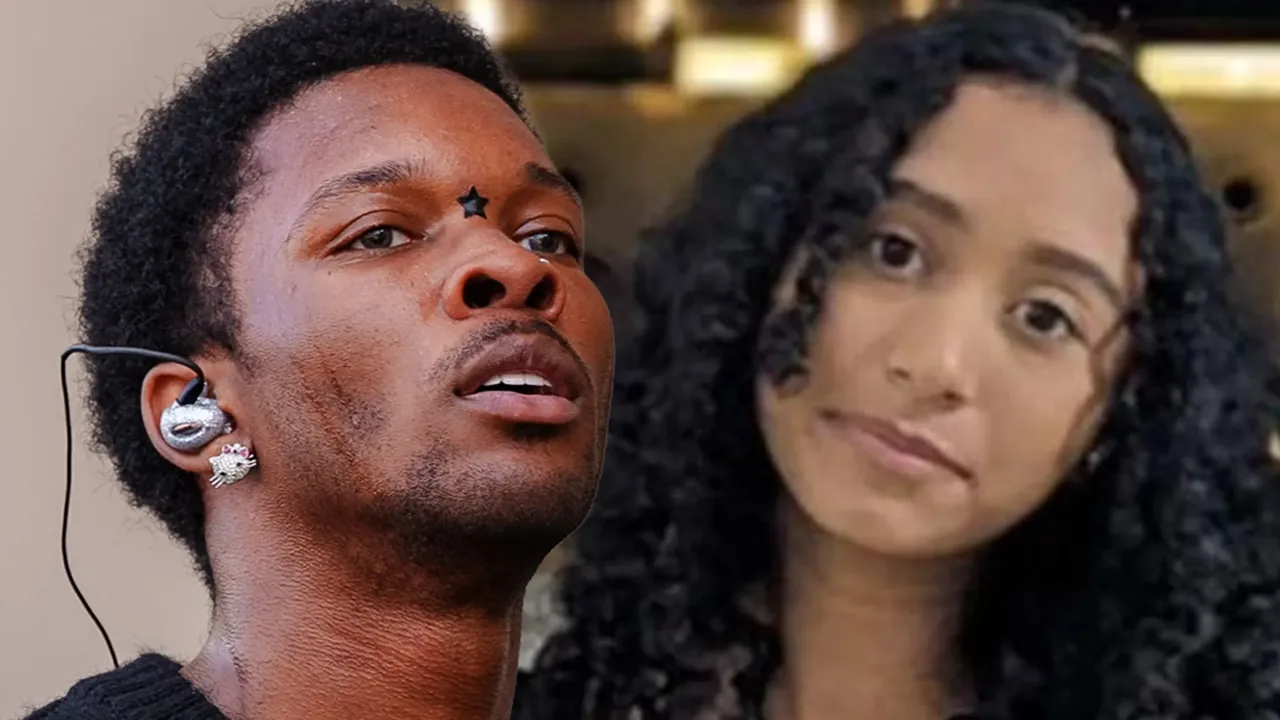
Now, let's be absolutely clear about something: allegations are not convictions. D4vd is entitled to due process, and the legal system must run its course. But 40 terabytes of evidence is not a typo or a misunderstanding. That's not someone who accidentally downloaded a suspicious ZIP file. That's not a "wrong folder" situation. Prosecutors don't casually announce that kind of volume unless they're confident in what they've found.
The creator economy has a predators-in-plain-sight problem that nobody wants to meaningfully address. We've seen it time and again—from the YouTube scandal waves of 2019-2020 that took down channels with millions of subscribers, to the Twitch streamers who got exposed for grooming underage fans in Discord servers, to the TikTok stars whose DMs turned out to be hunting grounds. Every time, the industry reacts with shock, performs a brief moral pantomime, and then quietly moves on.
The platforms themselves bear responsibility here. TikTok's algorithm doesn't care about the character of the creators it amplifies—it cares about engagement metrics, completion rates, and share velocity. D4vd's music was undeniably catchy, and the numbers don't lie: his tracks dominated TikTok's sound library, were used in millions of videos, and generated enormous advertising revenue for ByteDance. Nobody at TikTok was running background checks or monitoring creators' personal devices. Why would they? That would kill the golden goose.
Interscope Records, which signed D4vd to a reported multi-million dollar deal, now faces an impossible situation. Do they immediately drop him and absorb the financial loss? Do they wait for a conviction and risk being seen as complicit? The label has remained conspicuously silent since the news broke—a silence that speaks volumes in an industry where every PR move is calculated to the decimal point.
Meanwhile, the parasocial damage is incalculable. D4vd's fanbase skews young—very young. These are teenagers and pre-teens who saw themselves in him, who believed his success meant they could succeed too. Many have spent hundreds of dollars on merchandise, concert tickets, and streaming campaigns. They're now processing the news that their idol might be a predator. The betrayal isn't just personal; it's structural. It's another data point in a growing body of evidence that the creator-fan relationship, as currently constructed, is inherently exploitable.
The broader implications for the creator economy are severe. Advertisers, already skittish about brand safety, will pull back further from influencer deals. Regulatory scrutiny, already intensifying in the EU and UK, will accelerate. And platforms will face renewed pressure to implement some form of vetting—though what that looks like in practice for an ecosystem that thrives on overnight viral stardom is anyone's guess.
What about the victims? In all the discourse about platform responsibility and brand deals and subscriber counts, the actual children depicted in CSAM—the real human beings whose abuse was documented and allegedly collected by someone with millions of young fans—are being treated as a footnote. They always are. The conversation becomes about the creator, the platform, the drama. The victims disappear into the terabytes.
If you or someone you know has information related to CSAM or child exploitation, the National Center for Missing & Exploited Children operates a CyberTipline at cyberinc.org. International resources include the Internet Watch Foundation (UK) and INHOPE (global).
The creator economy built D4vd. It amplified him, monetized him, and delivered him to millions of young fans. Now it needs to reckon with what it created—and what it allowed to flourish in plain sight. Forty terabytes isn't just a number. It's a monument to systemic failure.