Chris Stuckmann's Gambling Sponsor Problem Just Exploded
Another day, another YouTuber getting their skeleton closet rifled through by someone who used to ride for them. This time it's Chris Stuckmann — the movie-review OG who's been averaging 2.2 million subscribers and somewhere between 500K to 2M views per video — catching strays from Firewood Media, a channel run by someone who straight-up admits they used to be a Stuckmann fan. You know the drill by now: former watcher becomes critic, feelings get hurt, the algorithm feasts.
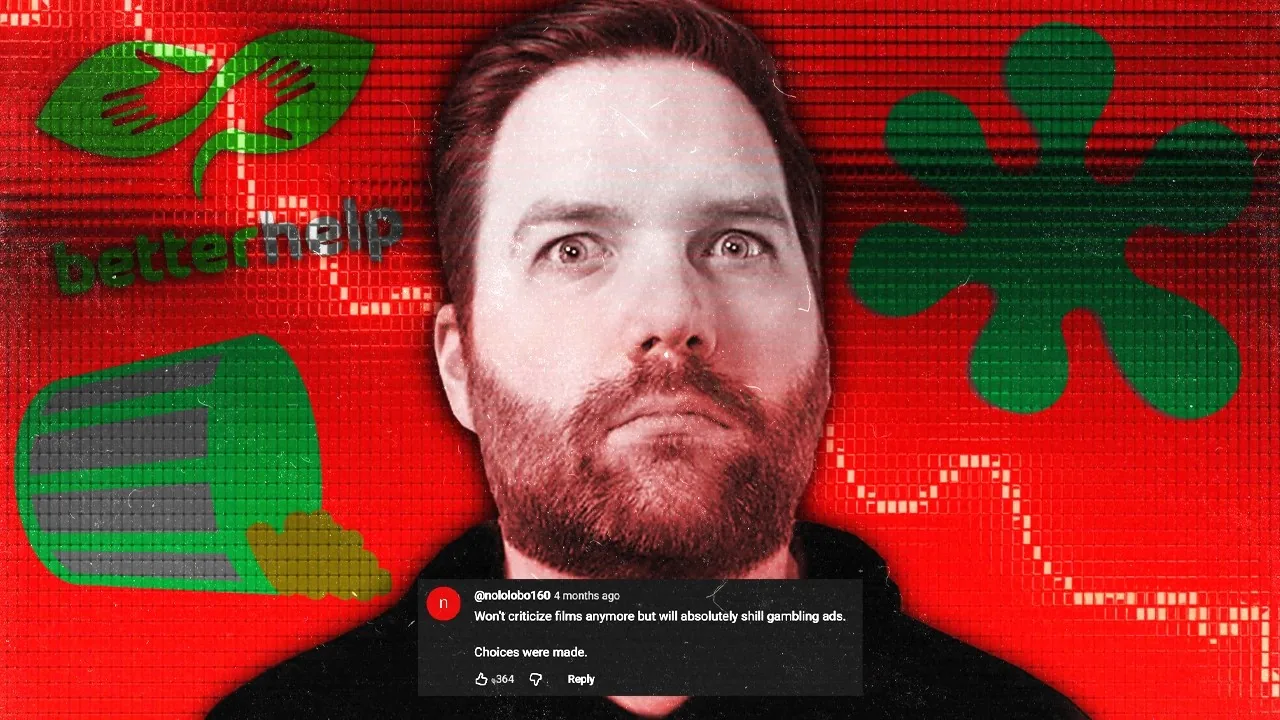
But here's where it gets spicy. Firewood Media's takedown video — currently making the rounds on r/YouTubeDrama — doesn't just go after Stuckmann's hot takes on cinema. It zeroes in on something way more corrosive: gambling sponsorships baked into movie reviews. We're talking about sketchy crypto casinos and offshore betting platforms being slipped between hot takes on the latest Marvel slop. And Stuckmann isn't the only one doing it — but he's the one getting exposed this week.
Look, gambling sponsors on YouTube are the platform's dirty open secret. You've seen them: Raid: Shadow Madness, Mystery Box Mayhem, or whatever rebranded skin of Stake.com is currently cutting checks to anyone with over 100K subs. xQc got heat for it. Adin Ross built half his Kick empire on it. Even MrBeast had to publicly distance himself from gambling-related promotion rumors back in 2023. The difference? Those guys are livestreamers operating in the anything-goes wild west of Twitch and Kick. Stuckmann is a movie reviewer — someone whose entire brand is built on trust and critical credibility.
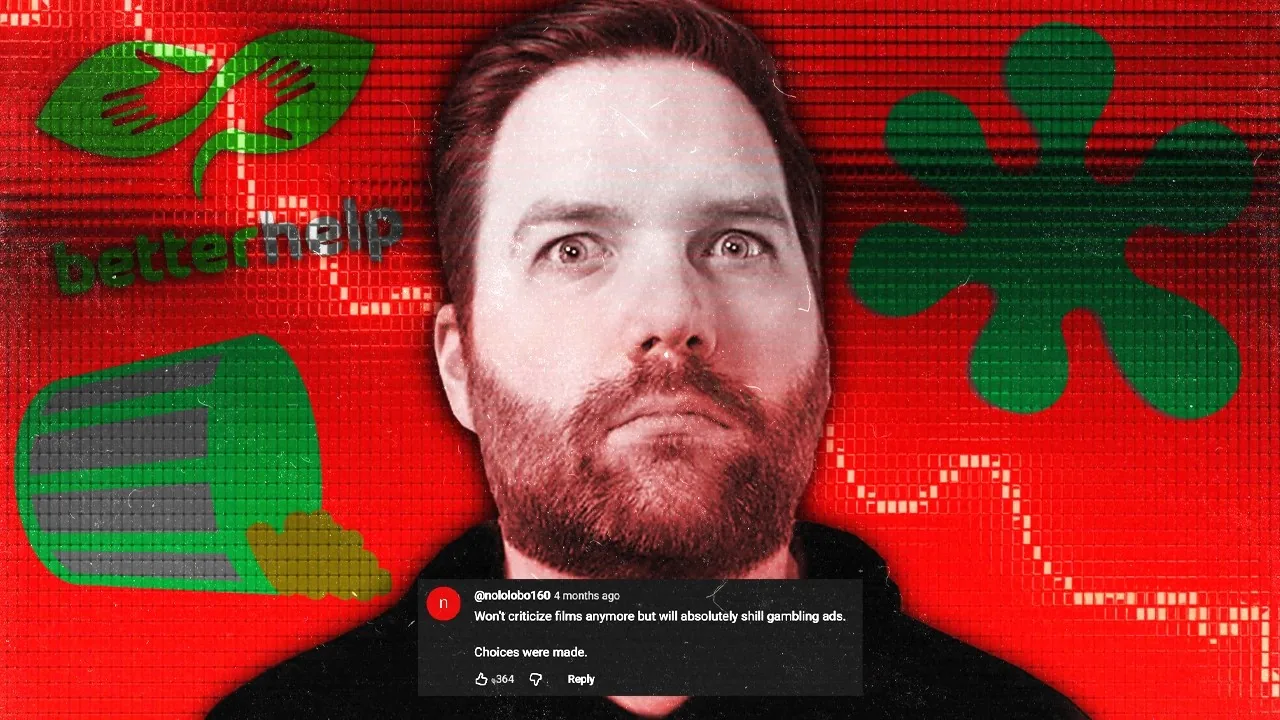
And that's exactly what makes this hit different.
Firewood Media's video breaks down how Stuckmann has apparently been integrating gambling promotions directly into his review content — not as separate dedicated sponsor segments you can skip, but woven into the actual criticism. Imagine watching a 15-minute analysis of Oppenheimer and suddenly getting a pitch for some unregulated crypto casino that'll match your first deposit up to $500. It's not just tone-deaf; it's predatory. Movie review audiences skew younger. They're there for film discourse, not to get funnelled into a gambling addiction.
The numbers tell the story of why creators keep taking these deals even when they know it's questionable. A mid-tier YouTuber with 1-3 million subs can pull anywhere from $10,000 to $50,000 per gambling integration. For reference, a "clean" brand deal with a legitimate company like NordVPN or SquareSpace might pay $2,000 to $8,000 for the same placement. The math is brutal and the incentive structure is completely broken.
Stuckmann's situation is particularly ironic given his whole rebrand over the past few years. He pivoted from schlocky YouTube critic to "serious filmmaker" — remember his directorial debut Sheldon in 2023? The one he hyped as proving he could practice what he preaches? That movie currently sits at a 4.2 on IMDb with scathing reviews. But that's beside the point. The point is that someone who positions themselves as a guardian of cinematic integrity is out here shilling gambling apps to teenagers who just want to know if the new Alien movie sucks.
The broader context here is that YouTube's creator economy has a massive gambling problem and nobody with power wants to address it. The platform's own policies restrict gambling content, but enforcement is laughably inconsistent. Meanwhile, creators like Roshteon, xQc, and Trainwreck have built entire careers around sponsored gambling streams — though at least they're honest about what they're doing. Stuckmann's sin is the sneakiness of it, the way these promotions allegedly get camouflaged within legitimate film analysis.
Firewood Media's callout is part of a growing trend of accountability channels — think Coffeezilla, SomeOrdinaryGamers, or the countless drama commentary channels that have essentially become the internet's fourth estate for creator economy watchdog. Sometimes they get it wrong. Sometimes they're clout-chasing. But when a former fan is the one pulling the receipts, it usually means the issues been brewing for a while.
Stuckmann hasn't responded publicly at time of writing, which is either a smart legal move or a sign that the allegations have merit. The silence is deafening though. In 2024, radio silence in the face of a well-sourced takedown video is basically an admission of guilt in the court of public opinion. Just ask James Charles how the "no comment" strategy worked out.
The real question isn't whether Stuckmann took gambling money — that's basically confirmed by the video evidence. The question is whether his audience will actually care. History suggests... probably not enough. Gambling sponsors persist because they work. The conversion rates are apparently insane, which is why these crypto casinos keep throwing money at creators despite the ethical red flags. Until YouTube actually enforces its own policies or audiences vote with their eyeballs, this cycle will continue.
But for now, Chris Stuckmann joins the ever-growing list of creators who learned the hard way: the internet never forgets, and former fans always make the most dangerous critics.