Instagram vs Reality: The Reddit Post That Exposed Influencer Fakery
The internet's collective suspension of disbelief just got body-slammed back to reality, and honestly? We needed this.
A viral post from r/instagramreality (https://www.reddit.com/gallery/1stpczs) laid it out bare: "First 5 are from Instagram, 6/7 are from a public competition." The implication hits like a freight train made of unfiltered pixels—five curated, Facetuned, lighting-optimized influencer shots followed by two photographs taken in the wild, where reality refuses to respect anyone's brand.
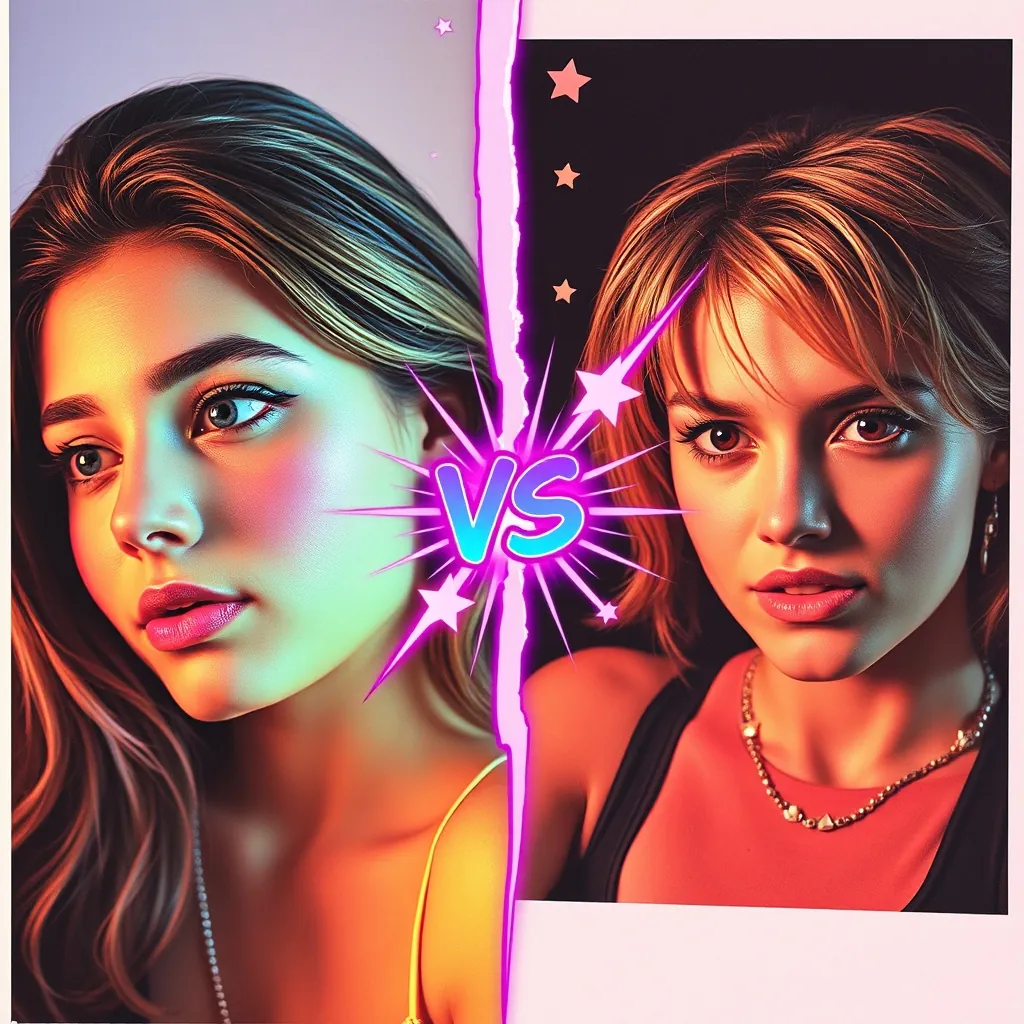
This isn't just another "they look different IRL" moment. This is the entire creator economy's dirty little secret served on a silver platter of empirical evidence. The post detonated across Reddit because it crystallizes what every sentient social media user has suspected since Kendall Jenner first sold us detox tea: the gap between Instagram and meatspace has become a chasm wide enough to swallow entire brand deals whole.
Let's contextualize this properly. We're living in an era where Khaby Lame (142M TikTok followers, the platform's most-followed creator) built his empire on mocking overproduced content. Where Charli D'Amelio's "relatable teenager" branding required a team of publicists. Where Xiao Yang Ge (疯狂小杨哥) can move $14 million in products during a single Douyin livestream partly because audiences crave authenticity—or at least the performance of it.
The r/instagramreality subreddit, with its 2.3 million members, has become a digital watchdog for the influencer-industrial complex. It's where followers go to decompress from the cognitive dissonance of watching creators preach body positivity while secretly using waist-trainers, skin-bleaching filters, and angles that would make M.C. Escher suspicious.
What makes this particular post devastating is the methodology. Five Instagram posts. Two competition photos. Same people. Same bodies. Wildly different presentations. It's like seeing a before-and-after without anyone explicitly labeling which is which—your brain does the math and arrives at uncomfortable conclusions.
This cuts to the heart of what I'll call the "Authenticity Industrial Complex." Creators like MrBeast (312M YouTube subscribers across channels) succeed precisely because his over-the-top stunts feel genuinely over-the-top rather than manufactured. When Dong Yuhui (董宇辉) of East Buy (东方甄选) breaks into poetry while selling produce on Douyin, audiences believe it because the emotion reads as unscripted. When Li Jiaqi (李佳琦, the 'Lipstick King') sold 15,000 lipsticks in five minutes back in his prime, it worked because his enthusiasm felt contagious, not calculated.
But here's where it gets spicy: the creators in that Reddit post aren't doing anything technically wrong. Instagram's entire architecture incentivizes visual perfection. The platform's algorithm rewards engagement, and nothing engages quite like impossible beauty standards presented as attainable normalcy. It's a feedback loop of fakery where everyone's complicit—creators produce filtered content because audiences consume it, audiences consume it because it's all that surfaces, and Meta (Instagram's parent, valued at $1.3 trillion) profits handsomely from the collective delusion.
The real victims? The Mental Health Generation. According to a 2024 Pew Research study, 46% of teens aged 13-17 say social media makes them feel worse about their bodies. Meanwhile, TikTok's most-followed creator Khaby Lame and YouTube's most-subscribed individual MrBeast both built followings partially by rejecting polished aesthetics. The market's sending mixed signals louder than a VTuber graduation stream.
This brings us to the emerging "anti-aesthetic" movement. Creators like Alix Earle (6.2M TikTok followers) posting get-ready-with-me content that shows actual skin texture. Streamers like xQc (12M Twitch followers before his Kick move) building empires on raw, unfiltered chaos. Even K-pop idols—historically the most polished humans on Earth—have started sharing "no-makeup" selfies, though one could argue that's just another form of carefully curated vulnerability.
The lesson from r/instagramreality's viral smackdown isn't that influencers are fraudulent. It's that the platform-consumer relationship has become fundamentally dishonest. When five Instagram shots and two real-world photos can tell completely different stories about the same human beings, something's broken in the system.
Here's my hot take: the next wave of megacreators won't succeed despite their imperfections—they'll succeed because of them. We're approaching peak filter fatigue. Audiences are developing callouses against manufactured perfection. The creator who figures out how to be genuinely raw while still entertaining will eat everyone's lunch.
Until then, we'll keep scrolling through r/instagramreality, cathartically confirming what we already knew: the screen lies. The competition photos don't. And somewhere in that gap lives the entire modern influencer economy, desperately praying you never look too closely.