FleshSimulator's 10-Year Relationship Destroyed by Doxxing
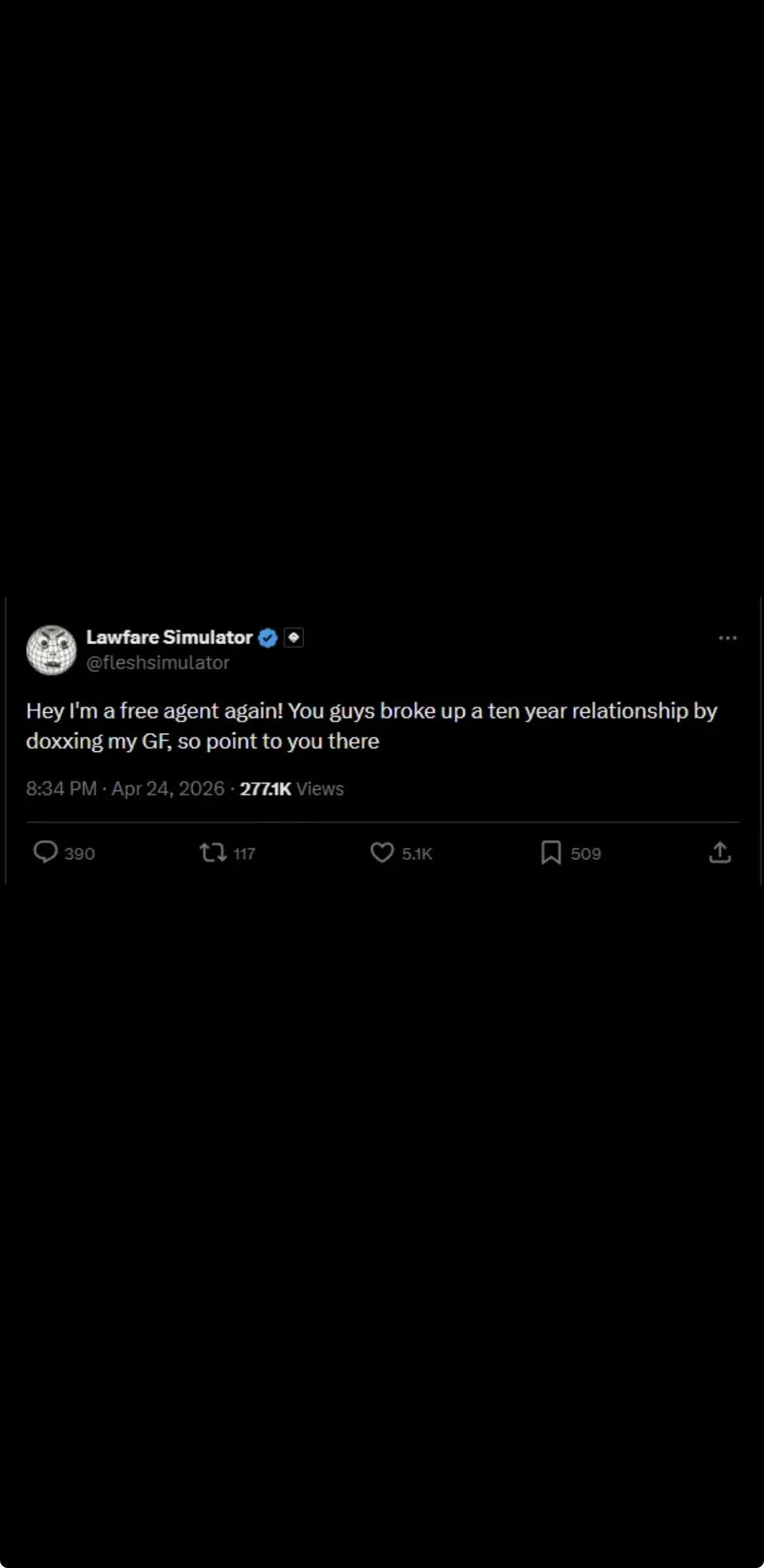
The creator economy's dirty little secret just blew up in everyone's face again. FleshSimulator — the YouTube content creator who's built his brand on experimental and often boundary-pushing material — just dropped a bombshell that should make every single person with an internet platform stop and think. His relationship of ten years is over. Done. Finished. Because someone decided his partner's personal information was fair game.
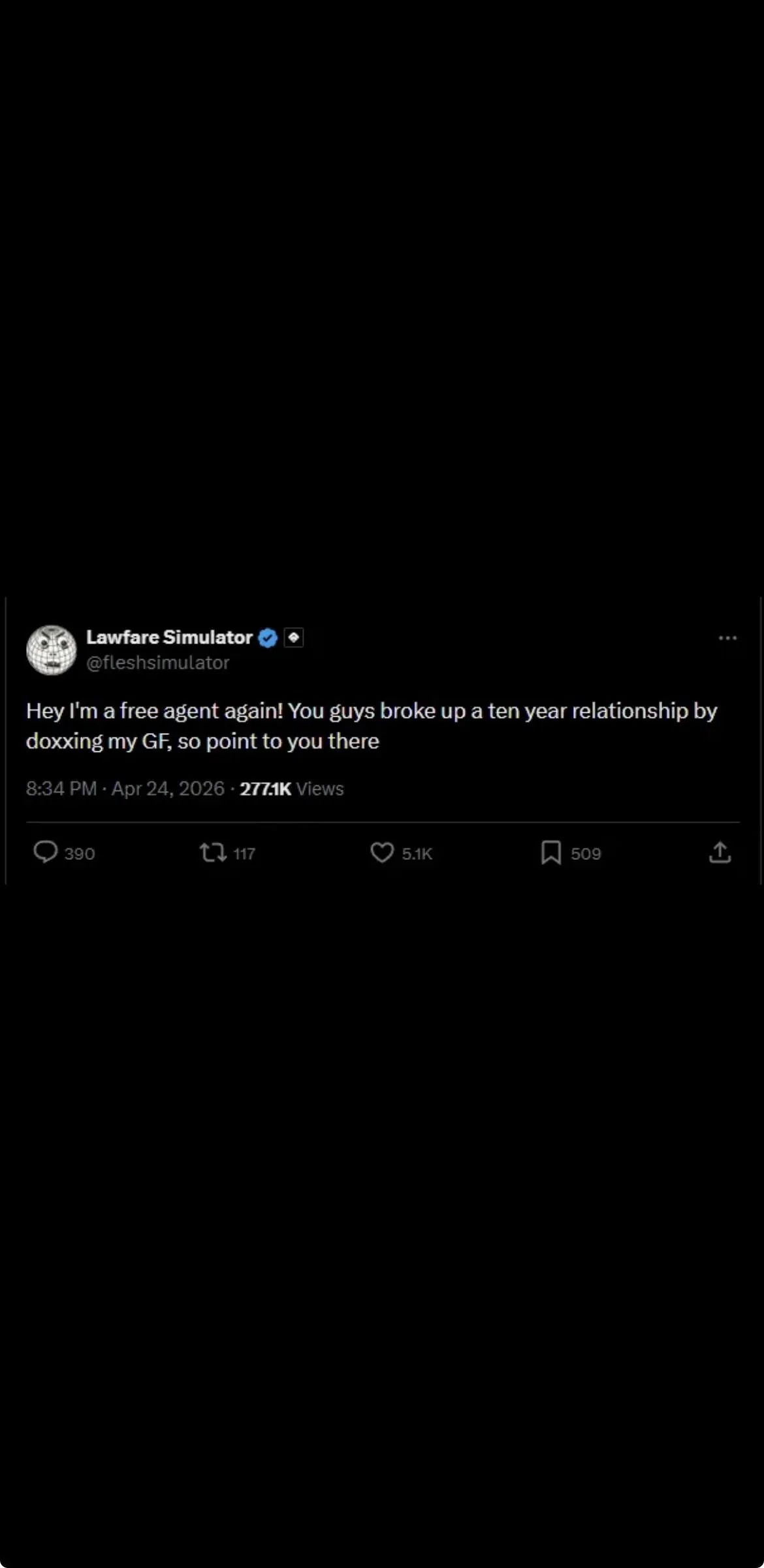
Let that sink in for a moment. A decade-long relationship, gone because of the internet's favorite toxic pastime: doxxing. For those living under a rock, doxxing is when some keyboard warrior with too much time and too little empathy digs up your real-world personal information — address, phone number, workplace, family details — and splashes it across the internet for anyone to see. It's not "just trolling." It's digital violence with real-world casualties.
FleshSimulator isn't the first creator to face this nightmare, and unless platforms get their act together, he won't be the last. Look at what happened to IShowSpeed — the kid can barely stream in a foreign country without chaos erupting, and he's got actual security. Now imagine being a creator's partner who didn't sign up for any of this but gets dragged into the crosshairs anyway.
The Reddit thread on r/YouTubeDrama blew up with over 552 upvotes in hours, and the comments tell a story all too familiar in creator circles. People sharing their own doxxing horror stories. Partners of mid-tier creators talking about the anxiety of being "found out." The parasocial obsession that drives fans — or more accurately, anti-fans — to violate someone's privacy just to feel close to the action.
Here's what makes this particularly grotesque: FleshSimulator's partner wasn't the one making content. She wasn't the one choosing to live in the public eye. She was a private person who happened to love someone who happened to make videos. And the internet punished her for it.
This is the ugly underbelly of the creator economy that nobody wants to talk about when they're busy celebrating MrBeast hitting another subscriber milestone or Kai Cenat breaking another Twitch record. Behind every successful creator is a support system — partners, family members, friends — who didn't ask to be public figures but get treated like they are anyway.
The timing of this is particularly pointed. We're in an era where the biggest names in content creation are dealing with serious allegations and legal troubles. MrBeast's company is facing sexual harassment lawsuits. Tectone is back in court with his ex-girlfriend Pinkychu over restraining order violations. The creator economy is starting to look less like a dream job and more like a liability magnet.
But FleshSimulator's situation hits different because it's not about what the creator did wrong — it's about what was done to someone close to him. It raises questions that the platforms desperately need to answer. What accountability exists for doxxers? YouTube's policies say the right things, but enforcement is famously inconsistent. Twitch? Same story. TikTok? Don't even get me started.
The international creator community deals with this too, often in even more intense ways. Chinese livestreamers like Dong Yuhui (董宇辉) and Xiao Yang Ge (疯狂小杨哥) operate under intense public scrutiny where personal information is sometimes exposed through state media or aggressive fan culture. The fake Trump impersonators on Kuaishou and Douyin have faced their own privacy nightmares. It's a global problem with no geographic boundaries.
What makes doxxing so insidious in the creator economy is the power imbalance. A creator with even a modest following has an audience that includes people with serious obsession issues. When that obsession turns malicious, the target's options are limited. Law enforcement often doesn't understand the digital nature of the threat. Platforms move slowly. And the damage is done in real-time.
For FleshSimulator, the damage isn't just professional — it's deeply personal. Ten years. That's a lifetime in internet years. That's a relationship that survived the grind of building an audience, the ups and downs of platform algorithm changes, the weirdness of having strangers comment on your life. But it couldn't survive someone deciding that boundaries don't apply on the internet.
The creator economy needs to have an uncomfortable conversation about parasocial relationships and where the line gets drawn. Fans don't own creators. They certainly don't own creators' partners. The entitlement that drives someone to dox a creator's loved one comes from the same toxic mindset that sends weird packages to PO boxes and shows up uninvited at conventions. It's the dark side of the "authentic connection" that platforms love to celebrate.
So what's the solution? Better platform tools for protecting personal information. Faster response times on doxxing reports. Actual legal consequences for people who engage in this behavior. And maybe, just maybe, a cultural shift in creator communities that treats doxxing with the same severity as other forms of harassment.
Until then, creators like FleshSimulator will continue to pay the price for their audience's worst members. And the people who love them will continue to be collateral damage in an economy that profits from attention but hasn't figured out how to protect the humans generating it.
Welcome to the creator economy in 2025. Where your big break might also be your partner's breaking point.